Voices & Shadows of the Carpathians - an Anthology of Romanian Thought

June 23rd, 2009

An Anthology of romanian Thought

An Anthology of romanian Thought

Voices & Shadows of the Carpathians
……………………………………………………………………………………..
An Anthology of Romanian Thought -
selected and introduced by Constantin Roman.

POSTFACE: A Conspiracy of Silence

Now, I am a person who likes simple words. It is true, I had realised before this journey that there was much evil and injustice in the world that I had now left, but I had believed I could shake the foundations if I called things by their proper name. I knew such an enterprise meant returning to absolute naiveté. This naiveté I considered as a primal vision purified of the slag of centuries of hoary lies about the world.

Paul Celan (1920-1970)
( “Edgard Jene and The Dream About The Dream”)
(”Collected Prose”, Carcanet, 1986)


John Sandoe Bookshop, Chelsea

John Sandoe Bookshop, Chelsea

One day, during a regular trip to that learned Institution off London’s King’s Road, which remains “John Sandoe’s Book shop” I was asked by one of its luminaries a simple, if justifiable question:

“Is Gregor von Rezzori Romanian?”

I knew that “Grisha” was born in Bucovina, sometime before the Great War, when that Romanian province belonged, for over a century, to the now defunct Habsburg Empire. The answer was not simple because the author wrote in German and now, I thought he lived as an exile in Germany, where I knew he was deemed to be one of the greatest contemporary German writers. However, such detail needed not become a signal factor in assigning the author’s appurtenance, as scores of Romanian writers, like Cioran and Ionesco, lived as exiles in France and wrote in French. I knew the problem to be more complicated as the vexed matter of change in frontiers of an author’s place of birth, especially in the troubled lands of Eastern Europe, would not satisfy an intelligent inquirer, even less so in “Sandoe’s Bookshop”. Moreover in provinces such as Bucovina, which lay at the frontiers of the Russian, Prussian, Austrian and Turkish Empires, there was, inevitably, a mosaic of ethnic groups – Romanians, Austrians, Ruthenians, Poles, Jews, Ukrainians all with their individuality, but also with their intercourse, which blurred, to a degree, the distinctions: I knew von Rezzori to speak all these languages, which destined him to become a citizen of the world, an “international”, like those prized sportsmen who today played rugger for the teams of other countries. I hesitated for a while and to gain time I ventured to make what I thought to be a safe statement:

“He lives in Germany!?”

“No, he died in Tuscany, two years ago. His Italian widow came here to see us, recently.”

This was not a game of one-upmanship – just a friendly “away from home” rehearsal of a kind that one often heard in

Gregor von Rezzori,  scriitor din Diaspora Romaneasca - nascut in Bucovina in 1914, decedat in exil, in 1998.

Gregor von Rezzori, (b. 1914- d 1998) exiled Romanian Writer of German expression

the ethereal but homely surroundings of this learned shop, where the owners were blessed with an abstruse yet stimulating knowledge. I was not surprised that my friend knew more than I did about the subject, but I was still taken aback – this was not a confrontation, for I was a regular of his shop and it was not the style of this charming place. I pondered for a while longer whilst trawling from the recesses of my mind for any evidence that might emerge from the “Snows of Yesteryears”, some detail that I might cling to for an answer. Then I said, perhaps a little mischievously:

“Ah, you see? He may have written in German, but he must be Romanian, as his wet nurse was a Romanian peasant.” By that I meant, inter allia, that Rezzori was nurtured, in his formative years, by the Romanian psyche, so to my mind we had a good claim to the idea of the writer’s Romanianness. Besides, such affinities were apparent from the author’s admissions in his autobiographies and novels.

It was a quiet afternoon, with one of those rare moments when there was no other client in the shop, as we were engaged in this thought-provoking repartee, so out came the next salvo:

“But, is Paul Celan Romanian?”

Paul CELAN (n. Cernauti, 1920 - d. Paris, 1970) poet Bucovinean de expresie Germana, prieten cu

Paul CELAN (b. Cernauti, 1920 - d. Paris, 1970) considered "the best German poet since Rilke" Romanian poet of German expression and a friend of Emil Cioran

My general attitude is never one to hide my ignorance if I were not to know the answer, perhaps because, and rather immodestly, I dare say, I am rather proud of what I do know. This is true especially on a Culture such as that of Eastern Europe, which suffered so much confusion and misunderstandings and is unjustly so sketchily known in England. But you see? This was not true in John Sandoe’s! Here the situation was different and the balance of erudition fell in their favour, in a nice way. So I said demurely:

“No, never heard of Paul Celan – who is he?”

“He is a poet and he comes from Czernowitz’ , like von Rezzori,” I was informed without a blink.

“I must read him! You see, he must be one of those exiled poets. If I had not heard of him this is because, in Romania, we were never taught at school about any of our fellow countrymen, from the Diaspora, who made their name abroad. The Communist censorship controlled all information: it always made sure that such books, written by Romanians living in the West, not only could not be found in bookshops or in the school curricula, but not even their name could be mentioned in bibliographies. It was a complete embargo of ideas. It was death by silence, it was a conspiracy of silence.”

Gradually I warmed to the subject and poured:

Emil Cioran (b. Transylvania, 1911 - d. Paris, 1995), celebrated in france as one of the greatest 20th c writers - He was a friend of Mircea Eliade, Eugène Ionesco, Paul Celan, Samuel Beckett, and Henri Michaux.

Emil Cioran (b. Transylvania, 1911 - d. Paris, 1995), celebrated in france as one of the greatest 20th c writers - He was a friend of Mircea Eliade, Eugène Ionesco, Paul Celan, Samuel Beckett, and Henri Michaux.

“This ideological censorship perpetrated by the Communists would have put to shame even the Catholic Inquisition of the Middle Ages. Names such as those of Mircea Eliade, or Emil Cioran were whispered in a hushed voice, lest one would be overheard and thrown in prison for “seditious propaganda”. Ionesco’s “Rhinoceros” was staged in Poland, but not in Romania. Even the works of those Romanian scientists who chose freedom were banned from public libraries. Literature of any kind, even scientific literature, was regarded as belonging to an “ideological domain” It remained the preserve of the Communist Party, of the one-party system, which dictated what staple diet was good for internal consumption.

You see, I have been over here for many years and I still have a lot to catch up with – the “ABC” rudiments of my culture and I had not yet reached the letter “c” for Celan.”

I was neither defensive nor ashamed of myself: I was just angry at the injustice of that cultural genocide practised during forty years of Marxist régime in Romania. Curiously this practice had not completely disappeared since the so-called “Revolution”, which was the coup de palais of December 1989, which put down the tyrant and his wife!

Suddenly I remembered that innocuous event, which took place in Eastbourne, several years ago, when the local branch of the “English-speaking Union” had invited the Cultural Attaché of the Romanian Embassy in London to address an audience of retired Civil servants and decent country squires. His disquisition on “Romanian Culture” was supposed to be informative. After his uninspired, uninspiring rambles, redolent of the style of the defunct Communist Party rallies, the Attaché took questions from the floor:

Gabriel Gafita, former Cultural Attache in London (1991-1995): he suggested that the one and only valid Romanian Wrtiter was untranslatable because of his highly subtle language.. For his merits Gafita became later ambassador to Canada and Portugal.

Gabriel Gafita, former Cultural Attache in London (1991-1995): he suggested that the one and only valid Romanian Wrtiter was untranslatable because of his highly subtle language.. For his merits Gafita became later ambassador to Canada and Portugal.

“Would he care to name” – he was asked- “a Romanian author of international repute, that could be read in English?” Quite a legitimate question, I would have thought.

“Well, you see? There is one,” he answered, after much thought –

“He is a 19th century playwright by the name of Ion Luca Caragiale. The
problem is that he is too subtle to do him justice in translation: he is, in
fact, untranslatable and it is a pity!”

“Quite!”

Caragiale (1852-1912), dupa elucubratiile atasatului Cultural de la Londra "singurul scriitor merituos din literatura romana, dar din pacate intraductibil, datorita subtilitatii limbii sale...

Caragiale (1852-1912), acording to the Romanian Cultural Attache in London "the greatest Romanian Writer ,sadly untranslatable because of the subtlety of his language" (sic)....

I was as startled as the rest of the audience was at this odd response. I knew of Caragiale since my school days in Bucharest, at the time of Stalin’s purges and of the national-communism of Gheorghiu-Dej. Caragiale was the darling of the régime because he lampooned the “decadence” of the Romanian upper and middle classes of modern Romania, at the end of the 19th century, when the country was a young kingdom. Caragiale was in prose for the Romanians what Gilbert and Sullivan was in rime and song for the British. He was one of the few classics of Romanian literature who could be “adopted” and “used” in his entirety by a Marxist régime, for its propaganda purposes. All other of Caragiale’s contemporaries were either conveniently forgotten, or selectively censored to be repackaged as “progressive writers”:

“True they were capitalists, but they were progressive for their time”, this would be the excuse. We knew there were, of course other “progressive writers” who professed a more balanced view of society. But because their style was more nuanced, not sufficiently critical of the former pre-Communist régime, they did not mesh with the Communist Government propaganda and they did not make it to the book stores and schools. Such books were under lock and key in the dungeons of public libraries, under the label of “fondul special” (the “special fund”), which was open only under the strictest criteria to a handful of approved “researchers” , regarded by the régime as “reliable” enough to sing the praise of the one-party system. 19th century playwright by the name of Ion Luca Caragiale. The problem is that he is too subtle to do him justice in translation: he is, in fact, untranslatable and it is a pity!”

Great as he may have been, as a teenager, I soon got sick of this staple diet of Caragiale, marketed as the “unique genius” that Romania had ever produced! I wanted to find out more about the “other” Romanian writers like Ionesco, and Eliade who were published abroad and smuggled into the country at great risk. Now, some 30 years on, I was jerked into reality, as the name Caragiale popped up again in the words of this comrade from the Embassy. Thank God that this happened only in the back water of Eastbourne and that the audience was insignificant, otherwise the word might have spread like a foot and mouth virus to cause irreversible damage.

As it happened, it only reinforced the prejudice, albeit within a small group of English people, that Romania’s contribution, beyond Dracula and the orphanages was indeed insignificant. Witnessing this performance it was no longer surprising to come across such ill-conceived prejudices as that of Julian Barnes’s (”One of a Kind”) suggestion that all that Romania could produce was a single genius in any one field – Brancusi in Sculpture, Ionesco in Drama, Nastase in Tennis, Hadji in Football, Ceausescu in dictators… Quite a neat seditious little theory, enough to make the blood of any Romanian curdle! And yet, we Romanians we were our own worst enemies, at least if one were to judge our record by the performance of this official emissary.

For me what I heard from the lips of this “nouveau communist” was untrue and outright farcical. I wanted to shout to the audience the long array of Romanian poets and novelists who lived in the West and did write in other languages or were translated in German, English, Spanish or French. There were scores of them, some being lionised in Paris, given literary accolades and much coveted Literary Prizes, others compared to the great and the good of International Pantheon of literature; “the Gorky of the Balkans” , “the best German poet since Rilke” , ” the most elegant 20th Century French writer in the tradition of Baudelaire and Valéry”…

Since I chose Britain as my adoptive country, especially in my innocent days of scholarship at Newcastle and later on at Cambridge I was brutally aware of the ignorance of Romanian values in the West. After all why should it matter? We were only a small country on the map of world culture and for that reason we experienced the same complex as the other small European nations - Portugal, Belgium or Finland.

In my early years of exile, fired by a youthful naiveté, steeled by an tinge of arrogance, I was convinced that I could repair such injustice, that I could change the world and become an unofficial “Open University” of Romania – I felt I had a “Messianic” message to impart to the rest of the world and set up urgently to the task of writing articles, translating Romanian poetry in English, even organising exhibitions and festivals, to put the record straight. My research at Cambridge focused on the Carpathian earthquakes and made the subject of an article in ‘Nature’ or the “Geophysical Journal of the Royal Astronomical Society”. I was busy publishing Romanian poems in “Encounter”. In the “Cambridge Review” I debated the “Romanian myth in the sculpture of Brancusi”. I cajoled George Steiner in chairing an evening of Romanian poetry at Churchill College. I played panpipe music, the Romanian shepherd’s lament, in the Chapel of Peterhouse. I trotted about the country addressing the WI in obscure provincial towns.
Other Romanian writers were pioneers of a new style: the Dada, the Lettrism, the Theatre of the Absurd… These exiles

Romanian-born Tristan TZARA (1896-1963) - published the DADA Maniphesto in 1916. Portrait by Delaunay (1932)

Romanian-born Tristan TZARA (1896-1963) - published the DADA Maniphesto in 1916. Portrait by Delaunay (1932)

were part of the literary aristocracy of Paris, whose salons were frequented by Proust, Valéry, Apolinaire or Colette– all those enchantresses, who delighted, for decades, the refined Parisian society, the conductrix of good taste – Countess Anna de Noailles, née Princess Brancovan, Princess Marthe Bibesco, Hélène Vacaresco. All these were aristocrats by vocation and by blood – This is what our Romanian aparatchik did not want to spell out and was trying instead to cover up. Besides, for the Communists, these writers who chose Western Europe as their haven –still represented the embarrassment of a deep chasm between “them and us” – The “errand children” of Romania were not yet ready to be accepted to the bosom of their country of origin, even after Ceausescu was put down. The Romanian Diaspora was still on trial. We still had a long tortuous road ahead of us, for our minds to meet. It was not going to be easy bridging this spiritual gulf between the uprooted and the deep rooted, between the dispossessed and the repossessed, or, shall I say, the possessed of insidious propaganda - the brainwashed, the complacent and the political opportunists.

I never got tired of my “missionary” initiative, but I soon realised that the echoes were meagre compared to the effort that I put in this pathos. Soon after, like every other graduate, I was absorbed in my profession, in the less glamorous field of geophysics, or as the French had it encapsulated so well, I had to “waste my life by earning it”. Still, my initiation in the contribution which the exiled Romanians had made, grew ever more with every book or work of art I had acquired during this trail of exploration.

So, many years later, when listening to that Romanian Cultural Attaché addressing his unsuspecting audience in Eastbourne, I was shocked by the malevolent manner in which he dispatched his subject. In spite of this reaction I decided giving up my vocation of a “good soldier Schweick” and say nothing, not to muddy the waters of an otherwise sunny afternoon of the English Riviera. I was content to label this sorry diplomat a “rhinoceros”, a “relic” of our troubled past. Still I was surprised to hear , later on, that he was promoted to become an Ambassador in a Western democracy:

“Good work Comrade! Plus ca change, plus c’est la meme chose!” whispered in my ear my cynical “other self”.

I thought:

“His dutiful, zealous iconoclasm, his personal cultural revolution, his damage to Romania’s cultural heritage were all adequately recompensed by his masters, both overt and covert: Ceausescu’s shadow was cast large, well after his demise, it was functioning very well, according to the same tenets of “cultural demonology.”

The age of wisdom, but perhaps not the wisdom of the age, made me, at long last, discover the bliss of being reconciled with inequities that one cannot change. But was I?

Many more years after the Eastbourne episode, as I returned from John Sandoe’s bookshop in Chelsea, I was in reflective mood:

“How come that I did not know about Paul Celan, after all these years? It was no longer the Communists fault, it was MY fault.”

I trawled the internet, I scurried the bookshops. Even Waterstones had two books by Celan: I was surprised by my find.

Still, John Sandoe had quite a different dimension:

“I must put the record straight!”

I fell again in the same old trap in which I fell before so often, a trap which I promised to avoid: that is the hole in which all Romanians find themselves when they live in the West, a hole from the depths of which they cry:

“Look at us, we are famous, but nobody really knows about it! If they do they think that we are foreign!”

As they do go about explaining their seminal contribution, their splendid but ignored contribution, Romanians are experiencing that schizophrenic sentiment –an inferiority complex overprinted by an indelible conviction of belonging to an illusory important nation.

By assembling this compilation of thoughts and shadows from the Carpathian space, I hope that I could make peace, at least to a modest degree, with this dichotomy which confronts the Diaspora.

London, July 2001

Cu boii lui Grigorescu pe Calea Vacilor

June 17th, 2009

Din Codrii Vlasiei la codrul Barbizonului – sau cu boii lui Grigorescu pe Calea Vacilor

(Comentarii pe marginea expozitiei Grigorescu de la Barbizon, 2006)

grigorescu_posteragen3 Cand ai un deficit intelectual  si iti lipseste suprafata de cultura europeana, atunci cauti sa o carpesti cum poti, sau, parafrazand zicala englezeasca, in vernacularul romanesc s-ar zice ca incerci sa iti croiesti un ciorap de matase dintr-o piele de porc (to make a silk purse out of a pig’s ear”).
Pei chiar in felul acesta s-ar putea rezuma cele intamplate in Franta  cu expozitia itineranta a lui Nicolae Grigorescu, expozitie oranizata de  Muzeul Naţional de Artă al României din Bucureşti, cu sprijinul Departamentului Diplomaţie Publică din Ministerul Afacerilor Externe şi al Institutului Cultural Român de la Paris…. si din partea franceza de Consiliul General Seine-et-Marne, Muzeul Departamental al Şcolii de la Barbizon din Franţa, în partenariat cu Muzeul de Arte Frumoase din Agen (Franţa) şi  ( o simetrie perfecta!). Este evident ca de partea franceza calibrul partenerilor era foarte firav daca nu anemic!.
Dar o sa ma intrebati chiar ar fi necesar sa ingrosam gluma in felul acesta, sa vorbim de marele Grigorescu in termeni atat de reductivi? Sa piara gandul!
De fapt am putea spune ca taman din cauza aceasta din marea si adanca noastra  consideratiune pentru marele Maestru ca ne simtim atat de opariti si umiliti de modul in care imaginea culturala a Romaniei s-a degradat ajungand de pomina  chiar in rigola targului Agen, o urbe cu 30.000 de oameni de isprava, mai toti producatori de tuica de prune…  Mai apoi dintr-un impuls de imaginatie Mioritica s-a facut un salt cuantic din lac in put, transferand  expozitia din buricul targului Agen tocmai la o bojdeuca din satul Barbizon, din afara Parisului.

agen2 Ei acolo cel putin ulita principala se chiama foarte potrivit la Route des Vaches – adica Drumul Vacilor… Spuneti-mi va rog ce s-ar fi putut potrivi mai bine carului cu boi al lui Grigorescu decat o asemenea asociatie de idei?
De fapt in aceasta dichotomie mai exista o legatura, pentru ca asa cum stim Barbizonul a reprezentat pentru Franta si pt Europa un punct de atractie pentru Scoala de pictori “en plein air”, cunoscuta chiar sub numele de “Scoala de la Barbizon”. Grigorescu a fost acolo si i-a facut curte fetei lui Corot cu care voia sa se casatoreasca… Andreescu a fost si el si asa amandoi au adus “aerul” Barbizonului sa fie respirat pe cheiurile Dambovitei noastre, pe vremea cand Bucurescii erau taman de marimea acestui targ Agen-de care pomeneam mai sus. Astfel se explica dimensiunea de gandire a culturnicilor din Romania!

http://www.romanianstudies.org/content/2006/04/
Despre motivul cum ajunsese in fundul provinciei Aquitaniei o expozitie prestigioasa asa cum a vrut sa faca Romania  am vorbit in detaliu intr-un articol anterior (Aprilie 2006) asa ca nu vom reveni.

Suficient ar fi sa spunem ca departe de a fi fost o gaselnita prima alegere a fost un fel de non-eveniment, in afara bine inteles, de tam-tamul creeat la Bucuresti ca sa acopere dezastrul prezentandu-l ca un “eveniment cultural Frantuzesc de prim rang”…. Chiar asa!
Ce mai ramanea  deci de facut, ar fi fost sa pui  bomboana pe coliva, respectiv sa faci un alt salt de imaginatie mioritica din lac in put in care schimbam coordonatele geografice ale evenimentului  de pe valea Garonnei direct in satul Barbizon.
Este drept ca spre deosebire de Agen Barbizonul este cunoscut pe plan international dar tot sat a ramas. Pana in ziua de azi. Panzele celebrilor pictori (francezi si straini caci erau de mai toate nationalitatile din Europa si din America) facute acolo, acum sunt in marele muzee ale lumii, si mult prea putine si semnificative la Barbizon!  La Barbizon, in schimb, am gasi o brocanta unde am cumpara o pastise cu pretentie de antichitate de mana a treia . Ori acest sat din afara Parisului este mai mult un  vad turistic pentru nostalgicii istoriei artei ca sa vina in pelerinaj pe cararea amintirilor si sa recreeze o impresie a ceea ce ar fi putut sa fie si care de fapt nu mai este!
Practic Barbizonul este intr-o stare medicala suspendata intre un trecut glorios si un present burghez banal, adica intre viata si moarte. Barbizonul  este plin de resedinte secundare, de vilisoare ale parizienilor imburgheziti, desi hanul unde trageau candva contemporanii lui Grigorescu, celebra Auberge Ganne, s-a pastrat pana in ziua de azi.  barbizon-auberge-ganne1
Ei bine cum era de asteptat pt ca nu era nici o alta solutie expozitia Grigorescu s-a organizat chiar acolo, in han. Pt cei ce nu l-au vazut adica pentru romanii nostri care nu s-au incumetat pana acum in acesti codrii ai Vlasiei frantuzesti acum cam anemici si defrisati o sa-si inchipuie ca aceasta auberge sau han ar fi poate de proportiile Hanului lui Manuc de la Bucuresti. Da de unde? nici pomenenala de asa ceva!. Acesta este o constructie de tip vagon pe doua nivele care si-a pastrat planul de un fel de han-posta cu camere de dormit insirate pe un culoar la etaj iar la parter avand  birtul si barul…. Ceva foarte intim dar complect nepotrivit pt expunerea unor opere de arta de dimensiuni muzeale mari pt ca nici nu poti evalua mai bine aceste panze de la distanta pentru ca te si dai cu cu capul de perete.
Pe cat de patetica a fost gaselnita pentru partea romaneasca pe atat de hilara ar fi aparut pentru specialistii muzeografi si istorici de arta francezi –  aflatiin scop de umplutura ca sa salveze aparentele evenimentului cu o prezenta de curtoazie daca nu de complezenta: Pierre Vaisse, profesor de istoria artei la Universitatea din Geneva, François Fossier, director al departamentului de istoria artei la Universitatea din Lyon, Vincent Pomarede, conservator general al Muzeului Louvre. Este interesant ca in afara monsieur Pomarede ceilalti invitati de marca erau doi academici dintre care unul din Lyon dar nu si directorul Muzeului din Lyon celebru pentru colectia de pictura romaneasca, care se vede ca astralucit prin absenta sau poate nu o fi fost invitat!
Si atunci aceasta societate adunata in pripa ca sa se minuneze de un astfel de eveniment “in premiera mondiala” nu i-a mai ramas altceva de facut decat sa urmeze regulile unei pantomime ca in povestea cu hainele imparatului care era cu curul gol: fiecare cu rolul lui bine jucat si pus la punct; Madame Ruxandra Theodorescu directoarea Muzeului de Arta de la Bucuresti ce era sa spuna? Pentru domnia sa ce conta mai mult era voiajul la Paris caci expozitia cu pricina era doar o diversiune plictisitoare dar care merita pt a bifa un eveniment in cadrul “francofoniei, indifferent unde si cum. Pe de alta parte Directoarea-poetesa a ICR-ului care reprezenta “creierul’ acestei gaselnite nu putea sa fie dezamagita, ba din contra a cautat sa compenseze alegerea geografica oferind o agapa de consolare pentru cei care s-au deplasat de la Paris asteptand cel putin un festin… se pare ca fursecurile si canapelele au fost totusi la inaltime. Ceilalti figuranti dintre ‘personalitatile” romanesti care nu aveau o intelegere pentru  istoria artei au compensat fara indoiala ca fursecurile care au contat mai mult decat carutele cu boi  din perioada alba a lui Grigorescu. Poate cel putin dramaturgului Visniec  si el prezent nu i-o fi scapat elementul insolit si amuzant al petrecerii.
Si dupa ce augusta prezenta a “oficialitatilor’ si ale altor ofuri si-au luat locul la volan ca sa se intoarca cat mai repede la luminile Parisului, deci dupa ce au plecat cu totii, cine credeti ca ar mai fi trecut pe acolo, prin Drumul Vacilor sa il vada pe bietul Grigorescu? Nici dracu! Sau ca sa folosim o circumlocutie tipic Galica: “Ça a été un pet en l’air” – Da, dar nu un oarecare pet en l’air, ci unul care l-a costat foarte scump pe contribuabilul roman! Ei si ce? Se intereseaza cineva de soarta lui? Pei nu este treaba noastra sa ne procupam de asemenea detalii nesemniticative atunci cand ne dam toata osteneala sa ridicam profilul Romaniei in Calea  Vacilor!

Tot pe Calea Vacilor, asa cum suntem obisnuiti din 'iepoca' liricii proletcultiste

Tot pe Calea Vacilor, asa cum suntem obisnuiti din 'iepoca' liricii proletcultiste

Horia Stamatu - Translated Poems

June 14th, 2009

Horia STAMATU (1912-1987)
(b. Valenii de Munte, Romania – d. Freiburg, Germany)

———————————————————————–

Romanian Culture:
In the company of Horia Stamatu, a poet and a pessimist like all Romanians, we were asking ourselves: is there  any more to extract from the Romanian culture? Ionesco has said the essential, introducing into his theatrical writing  material extracted from his origins: a genius of the absurd, of the derisory and of derision. His super-Romanian genius allowed him this tour de force of managing to  express himself in French. Cioran has imprinted a new tonality on the classic French style, a scepticism filtered through a West-European culture. Vintilà Horia has introduced a certain Romanian ‘wisdom’ into French. Perhaps his style is lacking somewhat in tension. Could it be because the spirit of wisdom does not adjust so well in French, on the contrary because it introduces a recitative character, closer to fairy tales and the poetry?
(quotation from the biography of Sanda Stolojan in: "Blouse Roumaine - the Unsung Voices of Romanian Women&quot)

NOTE:  To find out more about Sanda Stolojan,click:

http://www.blouseroumaine.com/buy-the-book/index.html

————————————————————————————————————–

Poems

PUNTA EUROPA, VII

Patria ta calatorule
e tot ce se desvaluie
ochilor tai mereu cautatori
si adevar e tot ce se vede
cu ochii intregii finite

De unde am venit?

Din noaptea durerii fara capat
Se ridica roiuri de stele
Si-mi lumineaza calea
In lumea de aici
Icoana celeilalte.

PUNTA EUROPA (VII)

Your native land traveller

is all that unfolds before

your ever searching eyes

and truth is all you can see

with the eyes of your whole being

Where do I come from?

From the deepest night of endless pain

Swarms of stars are rising

To shed light on my path

Of this very world -

A mirror of the other.

(English translation Copyright 2009 by Constantin ROMAN)

TODO Y NADA

Dinspre nebunele orcane
bate un naprasnic vant
gonind din urma caravane
bucati de nouri cu pamant.

Peste colina fara case
albastra luna despletita
in trei cunune sangeroase
isi varsa inima coclita.
.

Plutesc corabii mii si sute…
Sau panze negre sfasiate?
Armadele in somn pierdute
ce-au fost in mine ancorate.

TODO Y NADA

From the fury of distant hurricanes

blows a beastly wind

chasing caravans

Limbs of clouds and earth

Over barren hills

a blue dishevelled moon

casts out its oxydised heart

along three bleeding crowns.

Are these all floating boats

Or just dark torn out sails

The Armada’s fleet lost in sleep

and anchored in my soul.

(English translation Copyright 2009 by Constantin ROMAN)

INCHINARE

Tu fiu frumos pierdut in ceata
Tu soare nou ce m-ai rapit
Sa-mi spui: amurg era ori dimineata
Cand nestiind am adormit!?

FEALTY

You handsome youth, beyond belief

You rising star which wiped me off my feet

Was it at dawn or was it during eve

When finally I fell asleep?

(English translation Copyright 2009 by Constantin ROMAN)

PERSPECTIVA

Cazut-au negre foi din calendar
cu sarbatorile muiate-n sange
e frig pustiul in sine se strange
nimicnicia intinde amarul

Invinsa lumea pe-o roata se frange
intr-un oftat ce-i rascoleste jarul
in raiul destramarii la hotarul
taiat in vis de ucigasi naluce

padurea isi risipea banetul
intr-un vartej de frunze cazatoare
de-atata prea lumina orb poetul
se straduia s-adune praf de soare
dar cerul isi scutura sipetul
pe crestele de stearpa nemiscare.

PERSPECTIVE

All those dark pages of the calendar

are torn by celebrations drowned in blood

it’s cold this emptiness which gathers pace

as vanity grows ever deeper scars.

A vanquished world is broken on the wheel

Its latest gasp unsettling the warders

as disembowelled nirvanas at the borders

are trampled on in dreams of murderous zeal.

The autumn’s gold

a whirly wind of leaves

Its glistening light is turning blind the poet

this sun dust which he tries to get in vain

but suddenly the skies break loose the rain

on mountain crests of bare eternity.

(English translation Copyright 2009 by Constantin ROMAN)

PSALMUL 136

La raul Vavilonului sedeam
si cu amar dupa Sion plangeam
harfele frumos sunatoare
le-am pus in salcii plangatoare

Biruitorii cereau sa le cantam,
vrajmasii sa ne bucuram
Cantati-ne cantarile Sionului!
Dar cum sa cantam cantarile Domnului?
Cum sa cantam in locuri straine?
Cum sa te uitam Ierusalime?

Dreapta sa-mi intepeneasca,
limba-n gura sa mi se lipeasca
de te-oi uita Ierusalime
si ma voi bucura fara tine!

PSALM 136

On steepest banks of river Babel

I shed my tears for ancient Sion

And hung the strings of harps resounding

On branches of the weeping willows

The victors wanted us to sing

The enemies wanted us to bring

The joys of Sion’s hymns!

How could we possibly praise God

When living on this foreign sod?

Jerusalem we can’t forsake you!

You better set me all aflame

Or make my tongue go stiff or lame

If you are absent from my prayer…

Jerusalem, Jerusalem for ever.

(English translation Copyright 2009 by Constantin ROMAN)

GENDER STUDIES: Blouse Roumaine - Les femmes roumaines exceptionnelles, Avant propos de Catherine DURANDIN

May 17th, 2009
Catherine DURANDIN
Catherine DURANDIN Professeure d’histoire à l’Institut National des Langues et Civilisations Orientales (Inalco).
Auteure, notamment, de Histoire de la Nation RoumaineHistoire des Roumains,   NixonLa CIA en guerre,   La dynastie des Bush,  ; La CIA : 2001-2006, Cinq années de colère.

Blouse Roumaine - the Unsung Voices of Romanian Women

by Constantin ROMAN

Foreword by Catherine Durandin

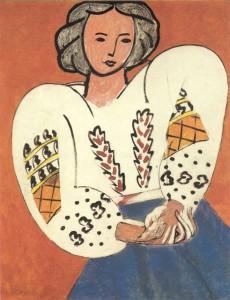
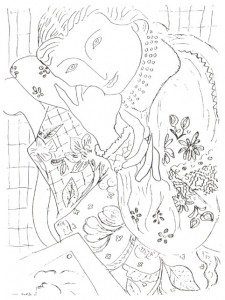
picasso-seated-woman Constantin Roman est, quand bien     même il se veut observateur et peut-être militant de l’anti- communisme, avant tout un artiste. Son ouvrage, récit ? étude ? hommage aux femmes ? “Blouse Roumaine - the Un-sung Voices of Romanian Women”, dévoile un talent magnifique. Au départ, une idée folle, semble t-il : partir de l’étude de la Blouse roumaine de Matisse, aller aux tableaux de Picasso où ce thème de la Blouse roumaine devient récurrent en plusieurs versions, situer ces peintres dans le temps sombre de la guerre, faire parler Matisse de manière bouleversante en 1940, aller plus loin, au –delà, dans le temps, vers la présence de la femme mythe, présence, obsédante présence de la culture roumaine et nous conduire page à page auprès de femmes étonnantes ou moins surprenantes des temps du communisme roumain et des années récentes du post -communisme, quel merveilleux pari. Un parti tenu.

Les pages introductives de Constantin Roman frappent juste. Elles sont sobres, l’auteur sait donner à voir cette structure, cette ampleur et cette légèreté de la Blouse roumaine, folklore et élégance, couleurs qui dominent : « une blouse roumaine ancienne, d’un bleu pervenche pâle très très doux, une blouse de broderie au petit point vieux rouge qui a dû appartenir à une princesse… » Le cantique de Matisse ouvre sur un rêve, le rêve du peintre, mais c’est à l’histoire que nous entraîne l’auteur avec sa ronde, son défilé de portraits de femmes roumaines.

Un choix audacieux dans sa simplicité : nous donner à rencontrer, à voir les femmes de Roumanie et de l’exil roumain, l’une après l’autre dans une présentation alphabétique. L’index thématique permet au lecteur de jouer s’il veut opérer des regroupements, se joindre aux femmes artistes ou préférer rester avec les actrices politiques. La lecture est donc libre, en suivi ou plus globale, en recroisant les histoires de vie. Que l’on se perde au fil des noms de famille qui s’égrènent à commencer par une Gabriela Adamesteanu, toujours bien vivante, romancière,
rédactrice en chef d’un hebdomadaire intellectuel de tendance libérale, 22, que l’on veuille rester en compagnie des artistes de la célèbre chanteuse Maria Tanase à la reine poète, femme du roi Carol 1, Elizabeth de Wied , au nom de plume Carmen Sylva, il émane de cette mise en mémoire un charme prégnant.

La surprise qui attend le lecteur est enfin celle du savoir, un savoir précis, rigoureux: les biographies sont émanées de citations soigneusement choisies et de références bibliographiques précieuses. Ce souci de rigueur, le ton très retenu de l’écriture de C.Roman laissent toute la place au lecteur. C’est à lui de décider s’il sourit aux pensées de Madi Cancicov, « And the solitude : do you know what it means to forfeit one’s solitude ? « s’il frémit aux propos de la communiste internationaliste militante Ana Pauker, à lui de décider si grâce à Constantin Roman, il va se plonger dans les romans de Oana Orlea. Il reste au lecteur à choisir de rencontrer les femmes d’aujourd’hui, une Marta Petreu, philosophe, accessible, pour entamer -pourquoi pas- un dialogue. Il est tout simplement difficile de refermer la page pour achever le livre sur l’apparition de Sabina Wurmbrand, missionnaire de l’église underground, ayant connu les prisons politiques.

Constantin Roman nous convie à une promenade et conjugue passé et présent, et incite au va et vient de la lecture. Une lecture qui ne peut s’arrêter sur un point final et pousse à reprendre, à retrouver. C’est un très beau cadeau, une très heureuse surprise que cet ouvrage totalement original qui hante comme la musique insistante de ces paroles de femmes.

Prof. Catherine Durandin
INALCO,
Institut National de Langues et Civilisations Orientales, Paris

Blouse Roumaine
FOREWORD
By Catherine DURANDIN
Institut National des Langues et Civilisations Orientales, INALCO, Paris

Although Constantin Roman casts himself as an observer or perhaps even a miltant anti-communist, he remains above all an artist. His work, “Blouse Roumaine, An Anthology of Romanian Women”, be it a narrative, a study, or a homage to the “Romanian Woman” reflects wonderful talent.

At the outset, the inspiration for the book seems like a crazy idea – that of Matisse’s painting ‘Blouse Roumaine’, graduating onto Picasso’s paintings influenced by this recurring theme in several different variations, whilst juxtaposing these artists against the sombre backdrop of the Second World War, echoing the voice of Matisse in such an overwhelming fashion, and later, progressively projecting back in time towards the Mythical Woman – the overpowering presence of Romanian culture that brings us page by page to the tales of some amazing women, all the more surprising in the context of Romanian communism and post-communism – all of this is a marvellous feat, yet one which the author has accomplished well.

The introductory pages hit the perfect pitch. They are sober, the author creating perfectly the body, structure and lightness of the Romanian Blouse itself with its folklore, beauty, dominant colours:

a Romanian blouse, of ancient design, of a pale, very soft blue, a blouse embroidered with old ochre stitches, which must have belonged to a princess.

The Cantique of Matisse invokes a dream, the painter’s dream, while the author himself beguiles the readers into joining in a dance with his amazing roll call of Romanian Women.

His is an audacious choice in its simplicity, through which he provides us with the opportunity to meet and see, the woman within Romania and the woman in exile. Moreover, the thematic index further enables the reader to play with rearranging the sequence of names, should a particular preference rest with performing artists or perhaps the performing political movers and shakers. The reader is therefore free to follow a more global path by cross-correlating the history of their life.

Let the readers lose themselves in the labyrinth of names, starting with that of Gabriela Adamesteanu, the contemporary novelist and publisher of Revista 22, the intellectual weekly of liberal persuasion; or perhaps seek the company of the celebrated folk singer Maria Tànase, or that of Elizabeth von Wied, the poet Queen who wrote under the pseudonym of Carmen Sylva and who was the spouse of the first Romanian King, Carol I. All of these refreshing insights captivate the reader under a powerful spell.

However, the real delight that confronts the reader comes with a rigorous and precise knowledge: each biography is complemented by carefully chosen quotations and also by extremely useful bibliographical references. Constantin Roman’s thorough method combined with his understated style leaves the reader with an open field. It is therefore left up to the reader as whether to smile at the thoughts of Mady Cancicov-

and solitude: do you know what it means to forfeit one’s solitude?

or to be moved by the international militant communist Ana Pauker, or to decide whether to dip into the novels of Oana Orlea, or the memoirs of Sabina Wurmbrand, the missionary of the Underground Church, who was most familiar with political prisons.

Indeed it is the reader’s choice in soliciting a meeting with contemporary women like Marta Petreu, a very accessible philosopher whose musings may create a dialogue with the inquisitive reader.

Constantin Roman invites us to take a walk through history into the present, during which he effectively and suggestively enjoins the two with his narrative. It is a narrative that does not suddenly end, rather one which compels us to start all over again and revisit. It is a truly wonderful gift, a very happy surprise indeed of an inherently original book which haunts us like the persistent music of those Romanian women’s voices.

Catherine Durandin, Paris, 17th December 2002.

Romanian Royals - Queen Anna de Romania, Pss. of Denmark and of Bourbon-Parma

May 12th, 2009

Queen Anne of Romania, Princess of Denmark and of Bourbon-Parma - a descendant of the princes of Moldavia

Queen Anne of Romania, Princess of Denmark and of Bourbon-Parma - a descendant of the princes of Moldavia

HM Queen Anne de Romania, Princess of Denmark and of Bourbon-Parme
——————————————–

http://www.blouseroumaine.com/orderthebook_p1.html

Regina Anna de Romania, Printesa de Danemarca si de Bourbon-Parma se trage, asa cum spune numele, din Bourboni, care au fost regii Frantei si Spaniei, mai precis din ramura spaniola a Bourbonilor care erau si Duci de Parma.

Pornind pe linie directa ascendenta a familiei de Bourbon-Parma, deci pe linie barbateasca, ajungem la Ferdinand I de Bourbon, Duce de Parma (1751-1802) nepotul lui Filip V regele Spaniei si Duce de Anjou (1683, Versailles - 1746 Madrid).

Maria Leczynska, Queen of France, Spouse of Louis XV (Fantin Latour)

Maria Leczynska, Queen of France, Spouse of Louis XV daughter of Stanislas Lesczynski King of Poland and Duke of Lorena (painting by Fantin Latour)

Acest Ferdinand I Infante de Spania (1751-1802), care preceda cu sase generatii pe Ana de Bourbon-Parma a noastra [sper si a domniei tale], era casatorit cu Printesa Louise Elisabeth de France (1727-1759), fiica lui Ludovic XV regele Frantei si a sotiei lui Maria Leczynska (1703-1768) regina Frantei, care la randul ei era fiica lui Stanislas Lesczynski regele Poloniei si Duce de Lorena (1677-1766).
Acum, ca sa ajungem la Movilesti trebuie sa trecem pe ramurile femeiesti:

Printesa Moldoveanca, "Raina Mohylanka", fiica lui Ieremia Voda Movila, Domn al Moldovei

Moldavian Princess "Raina Mohylanka", daughter of Ieremia Voda Movila, ruling Prince of Moldavia, like her sisters Maria and Anna Movila, she married a Polish aristocra of the Slachta to become the grandmother of Myhal Korybut Wisnoviecky (1640-1673), King of Poland.

Bunica materna a lui Stanislas Lesczinski (socrul lui Ludovic XV) era Maria Ana Printesa Jabolonowska (1643-1687) nascuta contesa Kasanowska, iar bunica materna a acesteia din urma era Domnita Maria Movila ( 1591-1638) (fata lui Ieremia Voda), domnita moldoveanca al carui sot era Contele Stefan Potocki, Palatin de Wroclaw si prin care casatorie era cunoscuta in Polonia drept Marya Mohylanka.
Aceasta inseamna, bine inteles, ca prin stramosii ei Movilesti, Regina Anna de Romania se trage, prin Iermia Voda Movila, chiar din Petru Rares si din Stefan cel Mare si Sfant, iar prin acesta din urma din Dragos Voda primul descalecator al Moldovei.

Despre domnita Maria Movila contesa Potocka ne vorbeste istoricul Constantin GANE (1885-1962) in celebra lui lucrare “Trecute Vieti de Doamne si Domnite”.
——————————————————————————————————————

Ieremia Voda Movila, Domnul Moldovei strabunul reginei Anna de Romania (fresca votiva , Manastirea Sucevita, Bucovina)

Ieremia Voda Movila, Domnul Moldovei, strabunul Reginei Anna de Romania (fresca votiva , Manastirea Sucevita, Bucovina). Jermy Movila, ruling Prince of Moldavia, ancestor of Queen Anna de Romania (17th c fresco in the Moldovita convent, Bucovina).

“Blouse Roumaine - the Unsung Voices of Romanian Women”

Presented and Selected by Constantin ROMAN

Anthology E-BOOK (11BM)

DISTRIBUTION: Online with credit card

COST: $ 44.99

LINK: CUMPARA:  www.blouseroumaine.com/orderthebook_p1.html

CONTENTS:

2,250,000 words, 1,100 pages, 160 illustrations in text, 160 critical biographies, 60 social categories/professions, 600 quotations (mostly translated into English for the first time), 4,000 bibliographical references (including URLs, discography, exhibitions and performance credits), 6 Indexes (alphabetical, by profession, timeline, quotations, geographical  place names,  and surnames)

AUTHOR: Constantin Roman is a Scholar with a Doctorate from Cambridge and a Member of the Society of Authors (London). He is an International Adviser, Guest Speaker, Professor Honoris Causa and Commander of the Order of Merit.

INDEX BY PROSFESSION: 60 CATEGORIES by Call, Profession or Social Status

Academics (22), Actresses (9), Anti-Communist Fighters (14), Architects/Interior Designers (2), Art Critics (9), Artist Book Binders (1), Ballerinas (6), Charity Workers/Benefactors (20), Communist Public Figures (2), Courtesans (3), Designers (2), Diplomats (4), Essayists (11), Ethnographers (6), Exiles & First-generation Romanians born abroad (87), Explorers (1), Feminists (12), Folk Singers (1), Gymnasts, Dressage Riders (2), Historians (5), Honorary Romanian Women (15), Illustrators (3), Journalists (13), Lawyers (4), Librarians (3), Linguists (2), Literary Critics (1), Media (15), Medical Doctors/Nurses (5), Memoir Writers (16), Missionaries and Nuns (4), Mountainéers (2), Museographers (1), Musical Instruments Makers (1), Novelists (24), Opera Singers (16), Painters (14), Peasant Farmers (6), Philosophers and Philosophy Graduates (4), Pianists (6), Pilots (4), Playwrights (5), Poets (29), Political Prisoners (30), Politicians (5), Revolutionaries (2), Royals and Aristocrats (34), Scientists (8), Sculptors (4), Slave (1), Socialites/Hostesses (20), Spouses/Relations of Public Figures (51), Spies (2), Tapestry Weavers (4), Translators (25), Unknown Illustrious (6), Violinists (4), Workers (3)

NOTE:
Most of the above 160 Romanian women, in the best tradition of versatility, are true polymaths and therefore nearly each one of them falls in more than just one category, often three or more. This explains why adding the numbers of the 60 individual categories bears no relation to the actual total of the above 160 women included in Blouse Roumaine.
———————————————————————————————————–
LIST OF 160 CRITICAL BIOGRAPHIES (each supported by Quotations and Bibliography)

AA *Gabriela Adamesteanu *Florenta Albu *Nina Arbore *Elena Arnàutoiu *Ioana Raluca Voicu-Arnàutoiu, *Laurentia Arnàutoiu *Mariea Plop - Arnàutoiu *Ana Aslan *Lady Elizabeth Asquith Bibescu

BB *Lauren Bacall *Lady Florence Baker *Zoe Bàlàceanu *Ecaterina Bàlàcioiu-Lovinescu *Victorine de Bellio *Pss. Marta Bibescu *Adriana Bittel *Maria Prodan Bjørnson *Ana Blandiana *Yvonne Blondel *Lola Bobescu *Smaranda Bràescu *Elena Bràtianu *Élise Bràtianu *Ioana Bràtianu *Elena Bràtianu- Racottà *Letitzia Bucur

CC *Anne-Marie Callimachi *Georgeta Cancicov *Madeleine Cancicov *Pss. Alexandra Cantacuzino *Pss.Maria Cantacuzino (Madame Puvis de Chavannes) *Pss. Maruca Cantacuzino-Enesco* Pss. Catherine Caradja *Elena Caragiani-Stoenescu *Marta Caraion-Blanc, *Nina Cassian, *Otilia Cazimir *Elena Ceausescu *Maria Cebotari *Ioana Celibidache *Hélène Chrissoveloni (Mme Paul Morand)*Alice Cocea *Irina Codreanu *Lizica Codreanu *Alina Cojocaru *Nadia Comàneci *Denisa Comànescu *Lena Constante *Silvia Constantinescu *Doina Cornea *Hortense Cornu *Viorica Cortez*Otilia Cosmutzà *Sandra Cotovu *Ileana Cotrubas *Carmen-Daniela Cràsnaru *Mioara Cremene *Florica Cristoforeanu *Pss. Elena Cuza

DD *Hariclea Darclée *Cella Delavrancea *Alina Diaconú *Varinca Diaconú *Anca Diamandy *Marie Ana Dràgescu *Rodica Dràghincescu *Bucura Dumbravà *Natalia Dumitrescu

EE *Micaela Eleutheriade *Queen Elisabeth of Romania (‘Carmen Sylva’) *Alexandra Enescu *Mica Ertegün

FF *Lizi Florescu, *Maria Forescu *Nicoleta Franck *Aurora Fúlgida

GG *Angela Gheorghiu *Pss Grigore Ghica *Pss. Georges Ghika (Liane de Pougy) *Veturia Goga *Maria Golescu *Nadia Gray *Olga Greceanu *Pss. Helen of Greece *Nicole Valéry-Grossu *Carmen Groza

HH *Virginia Andreescu Haret *Clara Haskil *Lucia Hossu-Longin

II *Pss. Ileana of Romania *Ana Ipàtescu *Marie-France Ionesco *Dora d’Istria *Rodica Iulian

JJ *Doina Jela *Lucretia Jurj

KK *Mite Kremnitz

LL *Marie-Jeanne Lecca *Madeleine Lipatti *Monica Lovinescu *Elena Lupescu

MM *Maria Mailat *Ileana Màlàncioiu *Ionela Manolesco *Lilly Marcou *Silvia Marcovici *Queen Marie of Romania *Ioana A. Marin *Ioana Meitani *Gabriela Melinescu *Veronica Micle *Nelly Miricioiu *Herta Müller *Alina Mungiu-Pippidi *Agnes Kelly Murgoci

NN *Mabel Nandris *Anita Nandris-Cudla *Lucia Negoità *Mariana Nicolesco *Countess Anna de Noailles *Ana Novac

OO *Helen O’Brien *Oana Orlea

PP *Hortensia Papadat-Bengescu *Milita Pàtrascu *Ana Pauker *Marta Petreu *Cornelia Pillat *Magdalena Popa *Elvira Popescu

RR *Ruxandra Racovitzà *Elisabeta Rizea *Eugenia Roman *Stella Roman *Queen Ana de România, *Pss. Margarita de România *Maria Rosetti *Elisabeth Roudinesco

SS *Annie Samuelli *Sylvia Sidney *Henriette-Yvonne Stahl *Countess Leopold Starszensky *Elena Stefoi *Pss. Marina Stirbey *Sanda Stolojan *Cecilia Cutzescu-Storck

TT *Maria Tànase *Aretia Tàtàrescu *Monica Theodorescu *Elena Theodorini

UU *Viorica Ursuleac

VV *Elena Vàcàrescu *Leontina Vàduva *Ana Velescu *Marioara Ventura *Anca Visdei *Wanda Sachelarie Vladimirescu *Alice Steriade Voinescu

WW *Sabina Wurmbrand

ZZ *Virginia Zeani

© copyright Constantin ROMAN, 2001-2009, all rights reserved

Romanian-Jewish Topics (Part I)

May 10th, 2009
Daniel Rosenthal - 'Revolutionary Romania' (19th c)

Daniel Rosenthal - 'Revolutionary Romania' (19th c)

Romanian-Jewish Topics (Part One of Two):
Quotations from an Alternative Anthology:
Blouse Roumaine – the Unsung Voices of Romanian Women”

Presented and edited by Constantin Roman, Preface by Catherine Durandin, published by the Centre for Romanian Studies (London), 2009

1,100 pages, 160 biographies, 600 quotations, 4,000 references, credits, discography and URLs , 6 Indexes

http://www.blouseroumaine.com/orderthebook_p1.html

————————————————————————————–

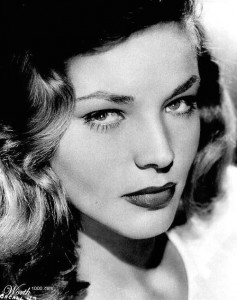
Lauren Bacall, Movie Star (Lauren's mother was born in Romania and migrated to New York with her parents.

Lauren Bacall, Movie Star (Lauren's mother was born in Romania and migrated to New York with her parents.

Lauren BACALL,

“Betty” (née Betty Joan Perske), Miss Betty Bacall, Mrs. Humphrey Bogart, (b. New York, 16 September 1924)
First-generation Romanian-American, film star, wife of Humphrey Bogart

Romanian immigrants:

Mother left Romania by ship – aged somewhere between one and two – with her father, mother, elder sister, baby brother. Her father had been in the wheat business, had been wiped out, and had turned out whatever silver and jewellery there was left to a sister for money, enough to transport his family to the promised land – the New World – America. They arrived in Ellis Island and gave their name – Weinstein Bacal (meaning wineglass in German and Russian). The man must have written down just the first half of the name – too many people from too many countries, too many foreign names - so it was Max and Sophie Weinstein, daughters Renée and Natalie’s, son Albert.
(Lauren Bacall By Myself, pp. 5, Jonathan Cape, London, 1979)

Happy Times:
We had happy times, my grandmother cooking, singing German songs, reading constantly in French, German, Romanian, Russian and English. She and mother spoke Romanian and German when she did not want me to understand.
(Lauren Bacall, By Myself, op.cit. 5)

Read more about Lauren Bacall:
http://www.blouseroumaine.com/orderthebook_p1.html

———————————————————————————-

Georgeta (Georgette) CANCICOV, née Maria Jurgea
“The Angel Saviour of Moldavian Jews”
(b. 29 May 1899, Godinesti, County Bacàu – d. Bucharest, 16 April 1984),
Novelist, essayist, violinist, nurse in WWI, wife of Liberal justice minister and politician Mircea Cancicov

Georgeta Cancicov - Saviour of Moldavian Jews:
Taking advantage of the fact that Marshall Antonescu stayed at her house whenever he visited Bacàu and given the good relationship she had with him, Mrs. Cancicov interceded robustly and ensured that no ghettos be set up in Moldavia.
(…)
Then, there was the question raised that Jewish women be forced to perform labour in town. We again interceded with Mrs. Cancicov in a petition addressed to Marshall Antonescu, who decreed that the women should only do such work as befitting their profession, which was a gain in our favour.
(…)
On the eve of 22nd August 1944, there was an order to evacuate all Jews. (Consequently), on the morning of 23rd August, in the courtyard of the Church of Our Lady, a detachment of 600 Jews was gathered for evacuation. You can imagine their distress, as they had to leave behind their families and be driven among (the retreating) Hitler’s armies. As I intervened with Mrs. Cancicov, she communicated to me in writing that no Jews should be evacuated and I presented this order to the (military) commander. He checked with Mrs Cancicov, who confirmed, on her authority, that nobody should go, so he freed everybody. As a result no Jews from the any other detachments were evacuated either.
(…)
Of course, there were countless other little matters on which Mrs. Cancicov acted as the protecting angel and saviour of our wretched and oppressed Jewish people.

(D. Ionas, President of the Jewish community of Bacàu, Petition to the Prefect of the County Bacàu, dated 9th September 1945, in favour of Georgeta Cancicov, whose house was requisitioned by the Soviet Army, quoted by the Memoria)
(http://www.memoria.ro/?location=view_article&id=821&l=ro)

Jewish Ghettos:
There will be no Jewish ghettos set up here: (I defy you, that) should there ever be any of these set up, then I am going to be an inmate in one of them myself.
(Georgeta Cancicov, reassurance given to Schiller, the representative of the Jewish Community in Bacàu, quoted by D. Ionas, op.cit)

Read more about Georgeta Cancicov:
http://www.blouseroumaine.com/orderthebook_p1.html

—————————————————————————-

Nina Cassian, Poet

Nina Cassian, - a successful Poet under dictatorship, who sought refuge in America at the end of Communism

Nina CASSIAN (Renée Annie Cassian)
(b. 27 November 1924, Galati),
Poet, novelist, translator, composer, exile and now expatriate living in New York since 1985

Conviction:
I worked to be understood by the farmers and workers, I was torturing myself and distorting my artistry. Some of us Romanian writers did it with conviction. That was the worst.
(Nina Cassian)

Excluded:
They don’t want me there, I’m not sure why. They used to consider me eccentric and rebellious…But now maybe it’s because they resent that I’m living a better life in America.
(Nina Cassian)

Uprooting:
It is a terrible tragedy, at age 60, to leave one’s country and live in a place where one is surrounded by a foreign language and with two impossible professions — poetry and classical music, I have had my share of fame and glory, and didn’t expect more.
(Nina Cassian)

Read more about Nina Cassian:
http://www.blouseroumaine.com/orderthebook_p1.html

————————————————————————-

Maria Forescu, Romanian Movie star of the silent cinema: died at Buchenwald

Maria Forescu, Romanian Movie star of the silent cinema: died at Buchenwald

Maria FORESCU (née Maria Füllenbaum)
(15 Jan 1875 Cernàuti, Bukowina – (?) 23 November 1943, Buchenwald Concentration Camp, Thuringia, Germany)
Movie star, operetta singer, Nazi concentration camp detainee, killed at Buchenwald

Maria Forescu (née Maria Füllenbaum) is one of Europe’s earliest stars of the silent movie. She dedicated herself to her career with great zest, acting in over one hundred and sixty films from 1911 to 1933, a thread which was abruptly severed by Nazi censorship which resulted in her dramatic deportation to the infamous Buchenwald cocentration camp where she was killed ten years later, in 1943.
(Extract from the Biography of Maria Forescu published in “Blouse Roumaine – the Unsung Voices of Romanian Women”, 2009)

Read more about Maria Forescu:
http://www.blouseroumaine.com/orderthebook_p1.html

———————————————————————————————–

Nicoleta (Nicolette) Franck (née Apotheker/Apoteker)
(b. 21st July 1920, Iasi, România)
Lawyer, political analyst, journalist, translator, exile in Switzerland

Political illiteracy:
The tragedy of the vote (for presidential elections) of 26th November 2000 cannot be explained in any other way than in the perspective of the political illiteracy of the Romanian people. Our schools had not yet made good the teaching of history, and so distorted has it remained that our past is not correctly understood and thus we cannot shape the present or have a glimmer in the future.
(Nicoleta Franck)

Rumours:
Certainly after half a century of outright lies peddled by the communist régime, Romanians now believe only in rumours rather than public declarations. Consequently they are easily misled through whispered rumours, which are aimed at the calumny of honest people, pointing out their failures rather than at their achievements, - the latter, alas, being few and far between and rather slow in materializing.
(Nicoleta Franck)

Read more about Nicoleta Franck:
http://www.blouseroumaine.com/orderthebook_p1.html

————————————————————————————-

Clara Haskil, Romanian born pianist: her talent was discovered by Carmen Sylva, Queen Elisabeth of Romania who gave her a scholarship to study in Vienna.

Clara Haskil, Romanian born pianist: her talent was discovered by Carmen Sylva, Queen Elisabeth of Romania who gave her a scholarship to study in Vienna.

Clara HASKIL,
‘La Princèsse de la Musique’,
‘Clarinette’, (nickname given by Dinu Lipatti)
(b. 7 January, 1895, Bucharest– d. 7 December 1960, Brussels),
Pianist, exile in France and Switzerland

Clara Haskil about Georges Enesco:
I always felt alone when I played with Enesco. I could not see what we had in common. This great man and little me. Yet we were both Romanian, and apparently our playing blended perfectly. But what else? Such a towering figure. And me?
(Clara Haskil, ibid.)

Clara Haskil about Dinu Lipatti:
Oh, I could spend hours talking about Dinu. He was always so aware, so alive, in spite of all the terrible pain he had to suffer. And his music-making! I really can’t find the words to describe what I felt whenever I hear him play. I often thought he felt almost guilty he had been blessed with so much genius.”
(Clara Haskil, ibid.)

Clara Haskil about Dinu Lipatti:
How much I envy your talent, may the Deuce take it! Must you have so much talent and I so little? Is there justice in this world?
(Jean-Yves Conrad, Roumanie, capitale Paris, Guide des promenades insolites, sur les traces des Roumains célèbres de Paris, page 130)

Read more about Clara Haskil:
http://www.blouseroumaine.com/orderthebook_p1.html

———————————————————————–

Helen, Queen Mother of Romania and Mother of King Michael: during WWII she fought fearlessly to save Jewish lives: her tribute is alive at Yad Vashem

Helen, Queen Mother of Romania and Mother of King Michael: during WWII she fought fearlessly to save Jewish lives: her tribute is alive at Yad Vashem

Princess HELEN of Greece and Denmark,
Romania’s ‘Queen Mother’ (Regina Mamà Elena)
(b. 2 May 1896, Athens - d. 28 November 1982, Lausanne, Switzerland)
consort of King Carol II,

Helen, Queen Mother of Romania, seen by Great Rabbi Alexandru Safran:
I would like to refer to the posthumous award of the title of “The Righteous Among the Nations” to Helen, Queen Mother of Romania. This letter is meant to bring to the fore two fundamental aspects pertaining to this matter: (1) actions by which the Queen Mother saved the lives of many Jews during the Second World War; (2) the risks personally taken by the Queen Mother in undertaking such actions.” (…)
“Such consciousness of possible risks extended over the whole period between 1941 and 1944. My own contact with the Queen Mother allowed me to gage her sharp and lucid perception of the realities of these unstable and turbulent times and at the same time to be appraised of her apprehensions concerning such risks. I can, at the same time bear witness that the Queen Mother constantly interceded on behalf of the Jews and that she saved Jewish lives in spite of all apprehensions: she was drawn to it by her kindness and her moral values.
Hoping that this letter will be helpful to the Commission of the Righteous Among Nations Award…

(Alexandru Safran, Grand Rabbi of Switzerland)

Read more about Helen Queen Mother of Romania:
http://www.blouseroumaine.com/orderthebook_p1.html

——————————————————————-

Lupescu - The indomitable Romanian royal seductress: she became King Carol II third wife: her remains were recently transferred from the Braganza chapel in Lisbon to a monastery in the Carpathians

Lupescu - The indomitable Romanian royal seductress: she became King Carol II third wife: her remains were recently transferred from the Braganza chapel in Lisbon to a monastery in the Carpathians

Elena LUPESCU,
(née Elena Grünberg, alias ‘Wolf’),
(aka ‘Magda’, aka ‘Duduia’, aka ‘Princess Elena’)
Mrs. Elena Tâmpeanu - by her first married name
(b. 1896, Herta, România, or 1899, Iasi Moldavia – d. 1977, Estoril, Portugal)
Socialite, royal concubine, third wife of King Carol II, exile

Limerick on Madame Lupescu:
Have you heard of Madam Lupescu,
Who came to Romania’s rescue?
It’s a wonderful thing
To be under a King:
Is Democracy better I ask you?

(Anonymous)

Bleeding:
While he whom I adore, he in whom I put all my hope for the good of my country did not send me a telegram, not even a single line in order to share with me his happiness, happiness to which I had contributed… my heart is sad, it is bleeding because I expected to be the first to whom you would send a telegram.
(Elena Lupescu’s letter to Carol, Quoted by Lilly Marcou, Le Roi trahi – Carol II de Roumanie)

Read more about Elena Lupescu:
http://www.blouseroumaine.com/orderthebook_p1.html

Romanian-Jewish Topics(continued in Part Two):

© copyright Constantin ROMAN, 2003-2009, all rights reserved

ROMANIAN-JEWISH TOPICS: (Part two of two)

May 10th, 2009

ROMANIAN-JEWISH TOPICS: (PART TWO OF TWO)
(continued from Part ONE)
Quotations from an Alternative Anthology:
Blouse Roumaine – the Unsung Voices of Romanian Women”

Presented and edited by Constantin Roman, Preface by Catherine Durandin, published by the Centre for Romanian Studies (London), 2009

1,100 pages, 160 biographies, 600 quotations, 4,000 references, performances & exhibition credit, discography and URLs , 6 Indexes

http://www.blouseroumaine.com/orderthebook_p1.html

————————————————————————————–

As a young girl from Hungarian-occupied Transylvania, Ana NOVAC knew the whole gamut of Nazi concentration camps. She was a surviver of both Nazi and Communist dictatorship who opted for freedom in France.

As a young girl from Hungarian-occupied Transylvania, Ana NOVAC knew the whole gamut of Nazi concentration camps. She was a surviver of both Nazi and Communist dictatorships, who opted for freedom in France.

Ana NOVAC, (née Zimra Harsany)
‘The Romanian Anne Frank’
(b. Dej, Transylvania, 21 June 1929)
Actress, playwright, poet, novelist Auschwitz, Kratzau, Plaszow camps survivor, exile living in Paris

Nationality:
I was born in 1929 in Transylvania (România). One good morning when I was 11 years old I woke up to be a Hungarian citizen without having moved to another place, another street, or even without having changed my shirt. At the age of 14 I was deported to Auschwitz as a Jew. On my release in 1945 I had again become a Romanian citizen. That is why I have the greatest difficulty in establishing my nationality, other than from my identity papers which specified that I was Jewish.
(Ana Novac, The Beautiful Days of My Youth: My Six Months in Auschwitz and Plaszow)

‘Anti-semite’:
That text was rejected by the censors as ‘anti-Semitic’….’It is useless to explain to a bureaucrat trembling for his job and his life that one can be Jewish, persecuted, and a bastard at the same time; that martyrdom and heroism do not necessarily go together; that misfortune does not imply any merit and does not confer any more right to glory than a car wreck, or an earthquake.
(Ana Novac, The Beautiful Days of My Youth: My Six Months in Auschwitz and Plaszow)

Read more about Ana Novac:
http://www.blouseroumaine.com/orderthebook_p1.html

————————————————————————————————————

Ana PAUKER (née Hannah Rabinsohn, or Rabinovici)

Ana pauker together wit Elena ceausescu shares the distinction of belonging to the Romanian Communist Demonology

Ana Pauker together with Elena Ceausescu shares the distinction of belonging to the Romanian Communist Demonology

‘A Jewish Female Bukharin’
(b. 1893, Codàesti, County Vaslui, Moldavia – d. Bucharest, 1960)
Granddaughter of Rabbi Hersch Kaufmann Rabinsohn, communist activist prior to WWI, political prisoner, exile in the Soviet Union, NKVD operative/ spy, returnee,
vice-president of the Council of Ministers, (1949-52), Foreign Minister, (1947-53),
Politburo Member responsible for the enforced collectivization of agriculture, (1944-56),

Rabbi Alexandru Safran on Ana Pauker:
“Ana Pauker, a rabbi’s daughter…. when she was Minister of Foreign Afairs, wanted everybody to know, especially when I was present, that she was not a Jew, she was a communist”….
“… when she saw me approaching the Prime Minister and the other ministers she stepped out of the line and turned aside for a moment in order not to greet me. She thus thought to demonstrate that she, the communist, did not want anything to do with the Chief Rabbi and Jewry; that she had less in common with him than even the other members of government….”
“…the expression of Ana Pauker’s face during her time of glory, had always been impertinent”.

(Alexander Safran, Grand Rabbi of Switzerland, formerly Grand Rabbi of Romania: Resisting the storm, Romania 1940-1947, op.cit 139, 161, 166)

Tesu Solomovici on Ana Pauker:
The most shining star amongst the huge number of Moscow-trained spies and activists was, undoubtedly the Jewish communist Ana Pauker. She knew Joseph Vissarionovitch Stalin personally and worked under the orders and direct command of the henchmen of the Soviet repressive services, Lavrentie Pavlovitch Beria, Victor Semionovitch Abakhumov, Piotr Vassilievitch Fedotov and Pavel Mihailovitch Fitin and furthermore she enjoyed the admiration of yet another dinosaur of Soviet power – Vyactheslav Molotov. Notwithstanding all that, Gheorghiu-Dej succeeded, with a patient cunning to pluck out all her feathers.
(Solomovitch: 54-55)

Read more about Ana Pauker:
http://www.blouseroumaine.com/orderthebook_p1.html

——————————————————————————

Elisabeth Roudinesco Parisian-born Psychoanalist of Romanian stock

Elisabeth Roudinesco Parisian-born Psychoanalist of Romanian stock

Elisabeth ROUDINESCO (Elisabeta RUDINESCU)
(b. 1944)
Academic, psychoanalyst, historian of science, historian, journalist, editor,
French-born Romanian living in Paris

Antecedents:
“Being Jewish, in such conditions, did not make sense, because I was baptised, but not being Jewish did not make sense either, because this baptism did not imbue in me any integrating principles. How should I answer my classmates who might enquire about my origins and my religion? My father called himself an orthodox convert to Catholicism; my mother rather considered herself a Protestant and both parents felt rather detached from any religious tradition. Furthermore, my mother kept in a drawer a fake birth certificate which was produced for her benefit by a willing abbot, by which she was spared the obligation of wearing the yellow star badge and consequently saved from deportation. How could one believe, in such conditions, in the validity of a ‘real’ birth certificate and how will I know what might be the implications of ‘really’ belonging to a religion? It took me twenty years to unravel this imbroglio of my Jewish origins.
(Elisabeth Roudinesco, Généalogie)

Dracula:
“One day, as I returned from the cinema, where I discovered that the most famous Romanian on this planet was Count Dracula, I bought Bram Stoker’s book, which I read breathlessly. As soon as I reminded my father that his worthy ancestors may not have been those whose descendant he claimed to be, he raised his arms to the sky and treated me (in Romanian) of that highest swear word of being a ‘tzigan’. From then on we did not stop wrangling. He was always singing the merits of Voltaire, Anatole France and Paul Valéry, whose friend he was, while I loved Balzac, Michelet and Proust.”
(Elisabeth Roudinesco, ibid.)

Immigrant’s delusions:
“My father who emigrated (from Romania to France t.n.) in 1904, passed his time obfuscating his origins. Being wary of anti-Semitism (in France. t.n.) and anxious to prove his desire of being assimilated, he was claiming an Orthodox father and that he himself had converted to Roman Catholic. This is how he could claim, without admitting it, a link with Alexandru Socec. As for any reminiscences regarding his own itinerary, he invented a family novel to suit his imagination, to the point of thinking himself more French than the French themselves and to relegating his native Romania to the status of a country inhabited by vampires and gypsies. He had in his disquisitions two way of looking at history. A scholarly approach, based on academic books and which he presented and eschewed  in the clearest manner. By contrast his private life was punctuated by mystery and rumor. My father would assign to archives and to the truth a positivist cult, whilst for his own family history, he was covering his tracks and was clouding the genealogies.”
(Elisabeth Roudinesco, ibid.)

Read more about Elisabeth Roudinesco:
http://www.blouseroumaine.com/orderthebook_p1.html

——————————————————————————————————————-

Annie SAMUELLI, victim of Communist witch hunt

Annie SAMUELLI, victim of Communist witch hunt

Annie SAMUELLI
(b. 1912 – d. ca. 2003)
Clerk at the British Legation Bucharest, political prisoner, exile

Cosmopolitan bourgeois:
The debased spies, recruited from among the cosmopolitan bourgeois, have finally received their retribution.
(The Communist newspaper Unirea commenting on Annie Samuelli’s ‘conspiracy in favour of Great Britain and the U.S.A’. in the 1948 political trials. Quoted by Tesu Solomonovici, in Securitatea si Evreii, vol 2, pp.51l)

Miracle Rabbi:
Carla, aged 40, arrived at our cell: she was a brilliant accountant. Carla was given a 20 years prison sentence for having been a member of a so-called ‘subversive organization’. Although a Roman Catholic she would tell us about the pilgrimage to the tomb of the ‘Miracle Rabbi’:

Some hundred years ago, this rabbi would have led his folk on foot all the way to a small Romanian village to escape a pogrom in Poland. This humble and enlightened man handed out wise counsel, which was of the greatest help to the community. After his death at a venerable age, people would still come along to his grave to ask advice. The ritual unfolded in the following way: in memory of the rabbi’s long treck from Poland, the pilgrims, Jews and Gentiles alike, would walk to the cemetery, which was rather far from the city. Along the way, they would pick up a stone. Any request or problem would be scribbled on a piece of paper, which was put under the stone and placed on the rabbi’s grave. In time, all these stones grew to become a gravestone in the shape of a pyramid, which grew and grew. Each time a request or a problem was satisfied, the pilgrim would return to collect the stone and destroy the piece of paper.

Carla heard the story from an inmate with whom she shared a prison cell in said town. Although she was Romanian Orthodox this woman prisoner was convinced that her husband was praying at the rabbi’s tomb for her to be given a reprieve of her prison sentence, because the rabbi had already miraculously saved their dying son.
‘Well, would you believe it?’ Carla would exclaim. ‘This woman was acquitted within six months. And you know how rare it is for a political prisoner to be freed. She had failed to denounce some refugee and she would have been sentenced to a minimum of five years. Now, owing to the Miracle Rabbi, she could go home’.
(Annie Samuelli, Dayyenu)

Read more about Annie Samuelli:
http://www.blouseroumaine.com/orderthebook_p1.html

————————————————————————————————–

Silvia SIDNEY, First Generation romanian-American Movie Star

Silvia SIDNEY, First Generation romanian-American Movie Star

Sylvia SIDNEY (aka SYDNEY), (née Sophia Kosow),
1stly Mrs. Bennett Cerf, 2ndly Mrs. Luther Adler, 3rdly Mrs. Carlton Alsop
(b. Bronx, New York, 8 August 1910 – d. New York, 1st July 1999)
First-generation Romanian-American, film and stage actress, needlepoint artist

As in the case of Lauren Bacall, (q.v.), another glamorous New York-born actress with Romanian roots, one may question Sylvia’s inclusion in the Blouse Roumaine. Sylvia’s father, Mr Kosow, was indeed Russian, but her mother was Romanian.

(Extract  from: ‘Blouse Roumaine - the Unsung Voices of Romanian Women’)

Read more about Silvia Sidney:
http://www.blouseroumaine.com/orderthebook_p1.html

————————————————————————————————-

Sanda Stolojan: a freedom fighter and sharp observer of Romanian exiles

Sanda Stolojan: a freedom fighter and sharp observer of Romanian exiles

Sanda STOLOJAN (née Alexandra Zamfirescu)
(b. 1919, Bucharest – d. 2 August 2005, Paris)
Essayist, poet, memorialist, translator, journalist human rights activist,
Personal interpreter for four French presidents, exile in France

Franco-Romanian Jews:
I went to Beaubourg to the symposium on Benjamin Fondane, on whom I was writing an article in the ‘Cahiers de l’Est’. In the auditorium many Romanian Jews were gathered , a world with which we other Romanians have few contacts other than some personal friends. An old émigré, Claude Émile Rosen, read one of Fondane’s poems in Romanian. Stefan Lupasco who knew Fondane was there too. Generally the tone of the evening, imprinted by the philosopher Chouraki, a specialist in the Jewish mystique, was Hebraic and anti-Romanian, with pre-war Romania painted in anti-Semitic colours all over. Throughout the course of the evening I felt an odd sensation of being there only tolerated, marginalized, in spite of being at the core of a cultural space with which I was very familiar. In a certain fashion I was the “Jew”, the foreigner within this audience. In fact our manner of living our exile is situated at the opposite pole of the sensitivity of these Franco-Romanian intellectuals of Jewish origin. It is all a matter of the past, a question linked to the antecedents of our lives, yesterday in communist Romania, today in Paris. Even further back, there is a matter of ancestors, ours steeped in the glebe of deepest Romania, in its beliefs and traditions, theirs errant for three thousand years; ours lost in the Neolithic mist, theirs mingled to the history of Babylon and Egypt. These are profound matters, old causes, as old as the biblical prophecies and their different interpretations which shaped us. And then there is the recent past, our situation and theirs under communism, which of late has forced us to take the road of exile, where we see them again, these old errant hands. Today the experience of exile ought to bring us closer to each other, but our contact with them, like that of last evening, only revealed to what extent we remained attached to our land archetype implanted in the Parisian milieu. What could be more foreign to their spirit than our obsessions, our reactions, our commitment. It is by rejecting this spirit of our soil that Cioran succeeded in placing himself above this state of mind which is justly ours, that of the provincials of Europe, a characteristic which was also his. Paradoxically, it is while strongly denouncing his origins that Cioran discovered his inner depth: for, as he said, ‘Nobody is in control of his own inner depth’. How could one solve this dilemma? How could our exile bring us closer to the Jewish exile?”
(Sanda Stolojan, Au balcon de l’exil Roumain a Paris)

Read more about Sanda Stolojan:
http://www.blouseroumaine.com/orderthebook_p1.html

Sabina Wurmbrand - a Pastor's Wife who knew the Communist Prisons

Sabina Wurmbrand - a Pastor's Wife who knew the Communist Prisons

Sabina WURMBRAND (née Sabina Oster)
(1913, România –2000, California, U.S.A.)
Missionary of the underground church, pastor’s wife, political prisoner and prisoner of conscience, exile in the USA

Prison Carcer:
..I was marched to the guardroom and put into a prison cell. It was a narrow cupboard built into the wall in which you could just stand. The iron door had a few holes to admit air… After a few hours, my feet were burning. The blood in my temples beat with slow, painful thuds. How many hours could they keep me here?… Drops of water were falling from somewhere on the roof of the box. It was a desolate sound. I counted them to make time pass… I don’t know how long I did this, but at a certain moment.
I simply began to cry aloud to avoid despair:
’One, two, three, four,’
I cried, and again:

‘One, two, three, four…’
After a time the words became inarticulate. I didn’t know what I said. My mind had moved into rest. It blacked out. Yet my spirit continued to say something to God.

(Sabina Wurmbrand, The pastor’s wife)

Read more about Sabina Wurmbrand:
http://www.blouseroumaine.com/orderthebook_p1.html

© copyright Constantin ROMAN, 2003-2009, all rights reserved

Pourquoi Matisse?

May 6th, 2009

‘La Blouse roumaine’ de Matisse

Matisse et le Roumain Pallady (Nice, 1940)

Matisse et le Roumain Pallady (Nice, 1940)

En peignant La blouse roumaine, Henri Matisse donna à cette dernière une pérennité artistique et une reconnaissance internationale. En fait, la toile qui est aujourd’hui au Musée d’art moderne de Paris, était devenue le symbole de la roumanité et plus particulièrement de la féminité roumaine.

Mais POURQUOI une blouse roumaine ? Le choix de l’artiste était-il fortuit ? On peut se poser la question, car le peintre était plus connu pour ses modèles vêtus d’atours marocains ou parisiens, plutôt qu’en robe ethnique roumaine, ou mieux encore, pour ses modèles pas vêtus du tout… Alors, pourquoi une blouse roumaine ????

Bien que cela soit moins connu, il est vrai que le grand maître eut au moins une élève roumaine – la fascinante et patriotique artiste moldave Nina Arbore (voir plus loin). Plus tard, Nina Arbore laissa son empreinte sur la scène roumaine dans le mouvement d’avant-garde tout comme peintre de fresques monumentales, qui décorent l’intérieur de cathédrales modernes. Il est plus que probable que Nina Arbore ait porté, à plusieurs occasions, la chemise paysanne roumaine. Aurait-elle été la première ‘seductrice’, inspirant au Maître le désir de peindre un tel sujet, ou aurait-elle posé pour lui ? En tout cas, il y a des archives qui laissent à penser qu’un portrait de Nina Arbore par Matisse existerait dans la collection Shtchukin . Cela coïnciderait avec la période durant laquelle Nina était l’élève de Matisse, en 1910-1911. Le fait que le collectionneur russe Shtchukin ait pu vouloir acquérir le portrait d’une élève roumaine de Matisse peut être dû au lien très fort que la famille Arbore, de Bessarabie, avait avec les intellectuels russes en général et avec Pouchkine en particulier (voir Nina Arbore). Il est aussi vrai qu’avant la Première guerre mondiale, la Bessarabie, auparavant une province de Moldavie, faisait partie de l’empire russe (voir aussi Maria Cebotari).
Si l’on observe certaines premières toiles de Matisse, on peut y décerner l’idée d’une broderie ethnique, dans la blouse de la danseuse de 1939, Une danseuse au repos, où l’on voit une femme assise qui porte une blouse roumaine.

La même chose est vraie d’une autre toile de Matisse, Nature morte avec femme endormie, aujourd’hui dans la collection de la National Gallery of Art à Wasington DC. La personne assise est une femme qui porte une blouse brodée à longues manches, décorée dans la partie supérieure de la manche comme le sont les blouses roumaines.

Une version encore antérieure, où les verts prédominent, apparaît en 1937.

Mais comme pour toutes ses peintures, les idées de Matisse furent dans un premier temps essayées sur du papier et là encore, on peut trouver des exemples de blouses roumaines au crayon et à l’encre : l’un de ces dessins, Femme avec une blouse rêvant, est visible à la page 67 de la monographie de Volkmar Esser (Matisse – 1869-1954, Master of Colour, Taschen, Koln, 2002) et est daté de 1936. Là, les mailles fleuries abondent. C’était l’année où le Maître avait eu une commande pour le décor et les costumes d’un ballet russe.

Romanian Blouse (Danile Rosenthal, 19th c)

Blouse Roumaine (Daniel Rosenthal, 19e s.). Matisse a eu toute une collection de blouses pareilles, offertes par son ami Roumain, Theodor Pallady

Donc, de ces exemples et d’autres, dont de nombreux couvraient un mur entier à la galerie Maeght lors de l’exposition rétrospective de Matisse, en 1945, on peut penser sans équivoque que l’idée n’était pas neuve dans l’esprit de l’artiste. Quoi qu’il en soit, ce qui était nouveau à cette occasion, en 1940, était que la BLOUSE ROUMAINE était devenue au centre du sujet, le portant au premier plan et lui donnant une identité spécifique, nommée. Le modèle dans la version de 1940 est moins contemplatif comparé aux versions précédentes et regarde droit dans les yeux, avec une grande intensité et détermination. La toile a dû faire l’objet d’une discussion, voire même l’idée a pu en être soufflée lors de la visite d’un vieil ami, le peintre roumain Theodor Pallady (1871 – 1956), dont le portrait a été dessiné par Matisse, à Nice en 1940 . Selon la critique d’art Ioana Vlasiu , Pallady aurait même fait cadeau à son vieil ami Matisse d’une collection de blouses ethniques brodées. L’amitié entre Matisse et Pallady remontait à l’époque où ils étaient ensemble à l’Ecole des Beaux Arts de Paris (1891 – 1899) et qu’ils fréquentaient le studio du peintre symboliste Gustave Moreau (1826 – 1898). Moreau était un ami de Chasseriau dont le modèle préféré n’était autre que la tante de Pallady, la princesse roumaine Maria Cantacuzino (1820 – 1898). Maria devait épouser plus tard Puvis de Chavannes qui l’a prise comme modèle pour symboliser sainte Geneviève, dans les fresques qui décorent le Panthéon à Paris. A travers leur correspondance qui dura presque un demi-siècle, un lien étroit se tissa entre le Français Henri Matisse et le peintre roumain Theodor Pallady. Excepté leur proximité dans le style et l’attitude, les deux amis partageaient un grand nombre de points communs, parmi lesquels l’image des muses roumaines, plus en vue en France au XXeme siècle, était un sujet récurrent. Dans sa correspondance, Matisse accompagnait ses lettres de dessins et utilisait Pallady comme une oreille compatissante, parlant parfois de ses angoisses personnelles et artistiques. Au Musée national d’art abrité dans le Palais royal à Bucarest, la collection d’art contemporain possède un dessin au fusain d’une femme qui porte une blouse paysanne roumaine et une veste, signé de Matisse, dessin qui précède ses peintures à l’huile bien connues sur le même thème.

Une blouse roumaine par Picasso ? Le triangle Pallady – Matisse - Picasso

Un fait a été mis en avant lors de l’exposition rétrospective de 2002 à la Tate Moderne de Londres consacrée à Matisse et Picasso : les deux peintres empruntaient souvent l’un à l’autre des thèmes, tout en les traitant dans leur idiosyncrasie. La Blouse roumaine aurait-elle pu être l’un d’entre eux ?
Picasso ne semble pas avoir donné un tel titre à aucune des toiles qu’il a peintes. Quoi qu’il en soit la monographie d’Yves-Alain Bois révèle un travail de Picasso ostensiblement inspiré par la Blouse roumaine de Matisse. Il s’agit de La femme aux mains bleues (collection privée), peinte par Picasso en février 1947, soit seulement quatorze mois après la rétrospective Matisse de décembre 1945 à Maeght. Le traitement que Picasso fait de la blouse est plus abstrait que celui de Matisse, mais là aussi l’artiste a décoré la robe avec de riches dessins qui couvrent les manches courtes et les épaules de la blouse mais en y ajoutant un genre de coiffe typique, portée par les demoiselles vierges roumaines, dont les fichus étaient serrés derrière la nuque. Même l’idée d’une fota (tablier ou jupe folklorique roumaine) géométrique est suggérée sur la jupe que porte la femme assise. Quoi qu’il en soit, on ne doit pas se laisser entraîner trop loin par de tels parallèles. Il suffit de dire que ce thème n’était pas récurrent dans le travail de Picasso, tout comme de nombreux autres thèmes que l’artiste emprunta à Matisse. Quoi qu’il en soit, en observant plus attentivement la toile, il est évident que les zigzags et les motifs nodules qui dominent dans la robe de la femme peinte en 1947 par Picasso sont empruntés aux vingt-cinq versions de blouses roumaines de Matisse, exposées en 1945, si l’on ajoute au douze Blouses les treize versions du Rêve.

Retournons à la plus célèbre version de la Blouse roumaine de Matisse, qui est exposée au Musée d’art moderne de Paris. Elle fut peinte en 1940, durant l’une des périodes la plus sombre de la guerre que la France ait eu à vivre sous l’occupation Nazie. Matisse allait bientôt abandonner Nice, qui allait être bombardée par les avions allemands, pour la relative sécurité de l’arrière-pays, à Vence. En lisant certains passages des journaux intimes de l’artiste écrits à cette époque, on peut se rendre compte que la gaîté de la Blouse roumaine agissait comme une antidote à la guerre, qu’elle représentait une lueur d’optimisme et d’espoir. Dans ce contexte, la signification de la Blouse roumaine pris de l’ampleur comme elle devenait l’objet d’une méditation philosophique. Que dit l’artiste ?

Le rêve (1940)
De nouveau la guerre. Il y a ici un tel cafard, une angoisse générale qui vient de tout ce qui se dit et répète sur la prochaine occupation de Nice que j’en suis très affecté par contagion et mon travail est particulièrement difficile. Heureusement je viens de finir presque un tableau commencé il y a un an et que j’ai mené à l’aventure -en somme chacun de mes tableaux est une aventure. D’abord très réaliste, une belle brune dormant sur ma table de marbre au milieu de fruits, est devenue un ange qui dort sur une surface violette -le plus beau violet que j’aie vu, -ses chairs sont de rose de fleur pulpeuse et chaude -et le corsage de sa robe a été remplacé par une blouse roumaine ancienne, d’un bleu pervenche pâle très très doux, une blouse de broderie au petit point vieux rouge qui a dû appartenir à une princesse, avec une jupe d’abord vert émeraude et maintenant d’un noir de jais. Que tu es belle, ma messagère au bois dormant ! Tes yeux sont des colombes derrière leurs paupières. Et elle rêve d’un prince français prisonnier d’antan dont j’ai lu et relu les poèmes pour en faire un choix. Je me suis toujours méfié de la littérature, mais je ne l’ai pas seulement illustrée, je l’ai soigneusement, amoureusement recopiée, et l’on en trouve l’émerveillement dans mes thèmes.
(Cantique de Matisse)

Donc le grand Matisse, alors presque âgé de 70 ans, rêve d’une princesse roumaine sous les traits d’une beauté endormie, et qui apporterait le réconfort durant les temps incertains de la guerre et de la vieillesse. La scène qu’il évoque est empruntée au Paris d’avant-guerre et même à un temps encore antérieur, à la Belle époque, avant la Première guerre mondiale, période que Matisse a connue dans sa jeunesse. C’était une époque où les princesses roumaines séduisaient les Français : Matisse avait peint vingt-cinq versions de ce thème, si l’on ajoute la série Le rêve à celle de la Blouse roumaine.

La Roumanie avant la Seconde guerre mondiale et l’Occident

Il y eut des égéries roumaines qui fréquentèrent les salons parisiens. Voilà quelques-unes d’entre elles :
On pensera en premier lieu à Maria Cantacuzino (Marie Cantacuzene) dont le portrait par Théodore Chasseriau (1819 – 1856) décore le Panthéon. Elle y représente Geneviève, la sainte patronne de Paris.
Elena Vacarescu (Hélène Vacaresco), dont les poèmes d’amour furent chantés par Tino Rossi (Si tu voulais) et dont la vie amoureuse inspira le roman à succès de Pierre Loti L’Exilée. Elle donna son nom à un prix littéraire, le prix Vacaresco Femina (qui est une partie du prix Femina).
Ou la célèbre comtesse de Noailles, née princesse Bassarabe-Brancovan (Basarab-Brancoveanu), la première femme à devenir commandeur de la Légion d’honneur. Les poèmes d’Anne de Noailles reçurent le Premier prix de l’Académie française, au tournant du siècle. Son portrait fut sculpté par Rodin et peint par Zuloaga.
Ou sa cousine, la poétesse parnassienne et femme du monde Marthe Bibesco, qui inspira Marcel Proust, Cocteau, Paul Valéry et d’Annunzio et qui attira dans son entourage tous ses contemporains dont le nom comptait, avec le zèle de l’entomologiste consumé, qui épinglerait les coléoptères dans son armoire à prix.
Ou peut-être la tragédienne Marie Ventura – un pilier de la Comédie Française qui surpassa la célèbre Sarah Bernhardt et devint l’actrice inoubliable des meilleures pièces classiques de Corneille, Racine, ou Molière.
Ou encore, la fascinante Elvire Popesco (Elvira Popescu), comtesse de Foy, du théâtre du Colombier et plus tard de la Comédie Française, qui enchanta le public par son apparition dans Ma cousine de Varsovie et devint célèbre sous le sobriquet de Notre dame du théâtre. Popesco joua avec Sacha Guitry dans Le paradis perdu… Sans aucun doute, Le paradis perdu était un sujet de grande anxiété pour Matisse et le retour à la vie du souvenir de ces muses éthérées roumaines sous la forme de la Blouse roumaine était un acte de foi.

La Roumanie d’après-guerre et l’Occident

La guerre allait mettre un terme à cette liaison fertile entre la Roumanie et les cercles artistiques et littéraires parisiens, tout comme le lien naturel qui existait entre la Roumanie et l’Occident fut brisé par le rideau de fer. Alors, le pays allait vivre pendant cinquante ans les âges sombres de la censure idéologique, de l’emprisonnement et de l’extermination.
Le fossé causé par ce retrait de la scène française fut comblé, d’une certaine manière, par un certain nombre d’exilés qui refusèrent de retourner dans leur pays perdu, mais leur joie de vivre fut émoussée par les angoisses liées à leur survie immédiate. Dans de rares occasions après la guerre froide, une soprano roumaine ou une ballerine pouvaient faire leur apparition, étincelante, sur la scène française, mais à cette époque le feu et l’imagination du public avait changé et l’impact n’avait plus rien à voir avec celui d’avant la guerre ou de la Belle époque. De plus, la Roumanie n’était désormais plus porteuse d’une image d’excellence intellectuelle mais était plutôt perçue comme un pays déshumanisé, la prison de l’histoire. Là-bas, non seulement les femmes partageaient les prisons de leurs maris, frères et fils, mais elles étaient de plus condamnées, à travers leurs corps, à remplir les attentes du Démiurge en ce qui concernait la hausse de la natalité, comme lors d’expériences génétiques interminables de proportions kafkaïennes:

Un peuple entier,
Pas encore né,
Mais condamné à voir le jour,
En colonnes avant de voir le jour,
Foetus contre foetus,
Un peuple entier,
Qui ne voit pas, n’entend pas, ne comprend pas,
Mais qui avance.
A travers le corps ondulant des femmes,

A travers le sang des mères
Qu’on ne consulte pas.

(Alan Blandiana, La croisade des enfants, 1984)

La descente dans un tel cauchemar, auquel la femme roumaine sous le communisme a dû faire face sans pitié, n’était autre que celui choisi par la femme même du Démiurge, acclamée dans des vers extravagants par les poètes du jour, comme on peut le voir dans les vers de Corneliu Vadim Tudor, qui, après 1990, est devenu un dirigeant politique d’un parti et un membre du Parlement, représentant le mouvement de l’extrême-droite nationaliste, Romania Mare. Voilà ci-dessous les vers qui s’adressaient à Elena Ceausescu elle-même, cités par Gail Kligman (p.128) dans son livre The politics of duplicitycontrolling reproduction in Ceausescu’s Romania (University of California Press 1998) :

Femeie creatoare – Slava Tie (Salut à toi, femme créatrice !)

Soit bénie, femme inventive !
L’amour de la nation t’enveloppe,
Erudite, personnage politique et mère en même temps.
Toi, fort modèle à émuler, de charme et de sagesse
Qui sera toujours sentie et suivie
Sois pour toujours heureuse, toi, éternel symbole
Des héroïnes roumaines que tu es devenue

Poussée de l’avant aux côtés du héros du pays
Tout au long de la grande épopée du peuple roumain !

Durant un tel leadership épique d’un personnage si bien éduqué, incarné par Elena - La femme symbole de la création, aux côtés de son mari-héros Nicolae - il n’était pas question pour aucune autre femme roumaine de se voir autoriser quelque exercice de création que ce soit, sauf en termes de reproduction.

Comme si une politique aussi inhumaine n’était pas suffisante, les Roumains sous Ceausescu souffrirent aussi de la menace constante d’être expropriés de leurs maisons, sous prétexte de la modernisation du pays, avec une vingtaine de centre-ville rasés jusqu’au sol, et l’architecture historique s’évanouissant avec eux, dans le but de faire de la place pour les blocs d’appartements de style staniliste. Les gens avaient 72 heures pour récupérer leurs affaires et déménager dans des cages à lapin. Ils abandonnaient leurs meubles et leurs animaux familiers dans les rues (d’où les chiens errants de Bucarest, qui sont devenus proverbiaux.)
Pour ajouter à ce cauchemar social, afin de rendre le peuple peureux dans une soumission totale et de voler sa mémoire et sa fierté, durant le début des années 80, Ceausescu décida que la dette extérieure, contractée pour cause d’industrialisation déraisonnable, devrait être payée, et pour cela exporta la plupart des produits agricoles. Les Roumains se retrouvèrent sans denrées alimentaires de base et des queues de plusieurs mètres se formèrent devant les coopératives d’état, des queues où l’on attendait pendant des heures dans l’espoir que quelque chose de comestible soit achetable. Il n’y avait ni viande, ni poisson, ni oeufs, ni légumes – seulement quelques pommes de terre pourries, de temps en temps, qui ne convenaient pas pour nourrir les cochons et dans un bon jour on pouvait trouver des griffes de poulet avec lesquelles ont pouvait préparer un bouillon (voir Eugenia Velescu).
Le désespoir complet lié à la faim est résumé dans une lettre ouverte envoyée par les femmes de Roumanie à Elena Ceausescu, en 1980 (voir faim, pommes de terre), lettre qui fut publiée à l’Ouest. Les Roumains, connus pour leur esprit rebelle qui les autorise à rire même quand ils souffrent, comme l’expression d’une ultime catharsis ( a face haz de nacaz) pouvaient au moins sourire amèrement lorsqu’ils entendaient les enfants bohémiens roumains chanter leur parodie d’un chant de Noël, en 1980, neuf ans avant que le tyran et sa femme ne tombent, un jour de Noël.

Elisabeta Rizea, paysannes des Carpates qui a subi la torture des prisons communistes pour avoir aide le maquis

Elisabeta Rizea, paysanne des Carpates qui a subi la torture des prisons communistes pour avoir aidé le maquis

Durant presque un demi-siècle, l’esprit de la Blouse roumaine souffrit d’une longue période d’éclipse, mais survécut pour raconter son histoire : ce sont les voix des femmes roumaines que nous avons introduites dans cette anthologie – quelques-unes célèbres, d’autres abominables et la plupart d’entre elles avec la fraîcheur de celles qui ne savent pas qu’elles sont des héroïnes – de simples fermières qui dépérissent dans des camps en Sibérie, des femmes de pasteur qui souffrent à cause de leur croyance religieuse, des femmes effacées qui furent envoyées dans des camps de concentration pour expier les choix politiques de leurs maris, ou pour d’autres pêchés que d’avoir publié le travail de leurs femmes – des femmes qui dans le cours normal des événements auraient traversé la vie sans qu’on les remarque, mais dont les tourments sous un régime génocidaire les mit en lumière dans la conscience de leur pays, pour leur bravoure, l’expression lyrique de leur souffrance, des femmes qui luttèrent dans le maquis et qui furent enterrées sous de fausses identités, et d’autres dont le corps fut jeté dans une fosse commune, sans nom – les noms de ces héroïnes ne peuvent se compter mais leur accumulation mérite notre attention.

Après la chute de Ceausescu, l’image de la Blouse roumaine retrouva graduellement sa place, lentement, comme le réveil après un cauchemar surréaliste : est-ce que la transition existe ? Est-ce pour de vrai ? Le passé va-t-il se répéter ? Dans ce sens, une mise en garde fut émise par le porte-parole du Parlement polonais lorsqu’il déclara : « Il ne faut que quelques semaines aux Empires pour s’écrouler, mais la mentalité impérialiste a besoin de plusieurs générations avant de disparaître. »

Les blouses ethniques portées par les femmes paysannes étaient à la mode parmi les classes sociales supérieures depuis que les princesses de la famille royale roumaine ont commencé à les porter, vers le milieu du XIXeme siècle, a l’instar d’Elisabeth de Roumanie (voir Carmen Sylva) et plus tard, de la reine Marie et de ses filles.

Si l’on prend en compte le passage tumultueux de l’histoire récente, on peut se demander si les femmes roumaines vont reconquérir leur réputation étincelante, telle qu’elles l’avaient connue avant la guerre. Vue d’ici, la réponse n’est pas simple et la route tortueuse. La seule réputation qu’elles semblent avoir gagné actuellement à l’Ouest, est, tristement, une réputation de pauvreté et de désespérance, qui a poussé les statistiques sur les jeunes femmes issues de la Balkan vortex a de hauts niveaux de prostitution. Bien après la chute de Ceausescu, ses enfants qui furent un jour “condamnés a naître” sont aujourd’hui destinés à mendier pour assurer leur subsistance, à vendre leurs corps…

Cela prendra du temps avant que la Beauté endormie de la toile de Matisse ne se réveille pour enchanter une fois encore la scène mondiale.
Ce jour viendra, mais dans le même temps la princesse de la Blouse roumaine devra être vigilante à ce que le rêve devienne réalité, tout comme l’ange dépeint par le Maître, dans son journal écrit par temps de guerre.

(Extrait de l’Anthologie des femmes Roumaines, traduction du livre paru en Anglais sous le titre: ‘Blouse Roumaine - the Unsung Voices of Romanian Women’, introduced and edited by Constantin ROMAN, Centre for Romanian Studies, London, 2009.
http://www.blouseroumaine.com/orderthebook_p1.html

© copyright Constantin ROMAN, 2003-2009, all rights reserved

Alternative Romania: Women Celebrities an Anthology of Unsung Voices

May 5th, 2009

cover1 ‘Blouse Roumaine - the Unsung Voices of Romanian Women’

An Anthology of 19th and 20th century Romanian Women

1,100 pages, Social and political Overview, 160 biographies, 600 Quotations, 4,000 references,

E-Book available to download,
—————————————————————————————————————
Examples of biographies:
ARISTOCRATS: Pss Catherine Caradja, Pss Marina Stirbey,
BALLERINAS: Alina Cojocaru, Magdalena Popa, Ruxandra Racovitza
COURTESANS: Pss Georges Ghika (Liane de Pougy), Elena Lupescu
DESIGNERS: Mica Ertegün
EXPLORERS: Lady Florence Baker
GYMNASTS: Nadia Comaneci
MOVIE STARS: Lauren Bacall, Aurora Fulgida, Maria Forescu, Nadia Grey, Elvire Popesco, Silvia Sidney
OPERA DIVAS: Maria Cebotari, Viorica Cortez, Ileana Cotrubas, Angela Gheorghiu, Nelly Miricioiu, Leontina Vaduva, Virginia Zeani
PAINTERS: Ioana Celibidache, Nathalie Dumitresco, Micaela Eleutheriade
PIANISTS: Cella Delavrancea, Clara Haskil, Madeleine Lipatti
POETS: Ana Blandiana, Nina Cassian, Anna de Noailles, Helene Vacaresco
POLITICAL PRISONERS: Ioana Arnautoiu, Madeleine Cancicov, Ana Novac, Elisabeta Rizea, Annie Samuelli, Sabina Wurmbrand
POLITICIANS; Elena Ceausescu, Hortense Cornu, Ana Pauker
REVOLUTIONARIES: Maria Grant Rosetti,
ROYALTY: Carmen Sylva, Pss Ileana, Archduchess of Austria, Queen Marie, Pss of Great Britain, Queen Anna, Pss of Denmark and of Bourbon-Parme, Helen Queen Mother of Romania, Pss of Greece,
SCIENTISTS: Ana Aslan, Ioana Meitani, Elisabeth Roudinesco
STAGE & COSTUME DESIGNERS: Maria Bjornson, Marie-Jeanne Lecca
VIOLINISTS: Lola Bobescu, Silvia Marcovici
WRITERS: Elizabeth Asquith Bibesco, Marthe Bibesco, Alina Diaconu, Dora d’Istria, Marie-France Ionesco, Doina Jela, Oana Orlea

WHAT THE READERS SAY:

* “It is a Herculean Work…” (Editor, Buenos Aires)

* “It is beautifully written and meticulously researched and presented. It is accessible to the lay reader and will be a treasure-trove for further research by academics drawn from a wide range of disciplines ” (Political Analyst, UK)

* “For those who think that Romania is nothing more than Dracula and Ceausescu, the book has a lot to teach you… ‘ (IT geek, London)

* “Constantin Roman invites us for a walk, during which he enjoins past and present alike, in a brisk coming and going of the narrative. It is a narrative that cannot suddenly end, but rather one which compels us to start all over again and revisit. It is a truly wonderful gift, a very happy surprise indeed of an inherently original book, which haunts us like the persistent music of those Romanian women’s voices.” (French Government Adviser, Paris)

* There is no doubt, what so ever, that if Romania is the creation of a male society as well as of political conjectures, its place in the Western European psyche is entirely due to its women, who knew how to impose their reputation in the aristocratic salons of Paris, in the world of literature, or in the English clubs so intimately linked to politics. For “Blouse Roumaine” is an incursion charged with passion, which conjures varied names, such as Queen Marie of Romania, Countess Anna de Noailles, the Princess Bibesco, or the actress Elvire Popesco, not forgetting the diabolic Ana Pauker and Elena Ceausescu.” (Art Historian, Paris)

* “… an audaceeous choice…” (Reader, France)

* “So long as the masculine and the feminine are not absolutely complementary notions in terms of fair percentages, it is a good idea to write a book about Romanian Women of World repute.” (Novelist, Argentina)

* “… it represents the idea of metamodernism as cultural paradigm to an alternative synthesis of modern and postmodern paradigms” (Researcher, New Zealand)

* …an easy book, which offered me, at least, the joy of reading an interesting, well-documented Anthology, without being bored.” (American Scientist)

* ‘ Blouse Romaine’ is a fascinating book about women who, for the sake of their ideals, sacrificed everything in order to safeguard basic values of humanity, generosity and compassion, women who fought the communist dragon imposed by fellow women. (Researcher, Cluj, Transylvania)

Constantin Roman © 2009. All Rights Reserved.

“Imperiile se prabusesc in cateva saptamani, in timp ce mentalitatea imperiala are nevoie de cateva generatii ca sa dispara.” (Partea II)

April 30th, 2009

“Imperiile se prabusesc in cateva saptamani, in timp ce mentalitatea imperiala are nevoie de cateva generatii ca sa dispara.”
(Parlamentar Polonez)

(PART TWO OF TWO)
———————————————————————————————————
NOTA REDACTIEI (2009):
Acest interviu din “Curierul Romanesc” (Suedia) a fost publicat in August 2003 de catre Doamna Silvia Constantinescu.
Intre timp Romania a devenit membra a UE si Romanii pot acum calatori si munci in Europa: peste un million de Romani s-au stabilit in Italia si un numar iarasi considerabil in Spania. Demografic populatia Romaniei scade, iar media de varsta creste ingrijorator, dar nu si pentru guvernantii actuali ai tarii. Chiar si in prezenta situatie de criza economica mondiala, putini Romani au vrut sa se reintoarca in tara. DE CE? Recitind acest interviu, dat in 2003, deci acum sase ani, am fost frapat sa constatam cat de putine lucruri s-au schimbat in Romania Tranzitiei. Pentru acest motiv ne-am hotarat sa il reproducem mai jos: “Imperiile se prabusesc in cateva saptamani, in timp ce mentalitatea imperiala are nevoie de cateva generatii ca sa dispara.”

——————————————————————————————————————————–

The Aithor

The Aithor

Constantin ROMAN,
Comandor Ordinul pentru Merit, Profesor Honoris Causa, PhD (Cambridge)
(Interviu dat Dnei Silvia Constantinescu pentru periodicul “Curierul Romanesc”, Suedia,  Iunie/August 2003)

Continuare dela Partea I

4.   Cum a fost inceputul in tara in care v-ati exilat? v-ati aflat in diaspora?
Ati fost primit cu bratele deschise, vi s-a pus totul la dispozitie, sau a trebuit sa lucrati din greu, sa va refaceti studii, sau sa dati diferente, etc. ca sa puteti sa va exersati meseria?

In Romania este o expresie de care imi era mare sila: “prost sa fii, noroc sa ai”. Este pe undeva reactia fata de ori si cine ar reusi, un fel de scuza implicita a nereusitei personale, a celui care foloseste expresia. Totusi auzind-o atat de des, pana la urma mi-am spus ca poate expresia o fi avand pe undeva un nor de adevar. In mintea mea incepea sa incolteasca un dubiu: daca cumva ar avea dreptate si asi fi de fapt un ne-tot?
Pe vremea aceea, in aroganta mea juvenila, credeam ca nimic nu mi s-a oferit gratios si gratuit si ca totul asi fi meritat, pentru ca, eram, ca tot romanul, “baiat destept”. Ei, acuma, dupa 35 de ani, mai mi-a trecut acest sindrom.
Englezul spune eufemistic: “You are lucky!” si imi spuneau asa tot timpul, iar eu scrasneam din dinti, din orgoliu, pentru ca meritam totul adus pe o tava de argint, fiind, bine inteles, “baiat destept”.
Adevarul este ca am avut noroc, sau poate am fost la locul potrivit, la momentul potrivit si mai aveam trei atuuri – eram tanar , eram intr-o specialitate restransa si in plina ascensiune si eram singurul roman in preajma locului. Pirn 1968 putini romani “scapasera’” din raiul comunist ca sa ajunga in Anglia. Era si asta un avantaj pentru ca multi s-au comportat prost.

Da, am fost efectiv primit cu “bratele deschise” si pentru ca prin definitie mediul universitar este mai deschis lumii exterioare. In 1968 era la moda formatia “Beatles” si in Anglia impartaseam aceeasi “joie de vivre” exploziva cu colegii mei din facultate (In Romania pe atunci rock-ul era interzis si puteai fi denuntat si sa iti pierzi locul la facultate daca erai suspectat ca dansai sau ascultai o asemenea muzica).

La Universitatea din Newcastle erau fonduri destule pentru cercetare, iar Acad. Runcorn, seful Scolii de Fizica Planetara era un om dinamic si un savant de o anvergura mondiala, care primea subventii dela NASA.
Imediat cum am venit la el am fost instalat intr-un apartament de oaspeti elegant, de pe acoperisul cladirii (penthouse I se spunea) cu tot confortul (baie, bucatarie, frigider, televizor color, samd; in Romania parintii mei nici nu aveau bani sa cumpere televizor). De la fereastra acestui Penthouse aveam o vedere panoramica splendida. Cladirea era proiectata de un celebru arhitect, Sir Basil Spence, care mi-a facut bucuria si mai mare, pentru ca auzisem de el inca din Romania si ii admiram lucrarea de restaurare a catedralei dela Coventry. Eram intr-o astfel de euforie incat chiar am crezut ca il apucasem pe Dumnezeu de picior. In plus, preconceptiile mele favorabile despre Occident erau de o asa natura, incat mi se parea normal ca toata lumea sa traiasca asa ca si mine, in acelasi confort. Colegii din universitate m-au primit bine si pentru ca, in afara de elementul de curiozitate fata de mine, ca roman, stiau ca o sa ma intorc in Romania, deci nu reprezentam un concurent. Ei mai m-au invitat sa mai revin la ei si vara, dar eu ma intorceam spre tara (asa cum am spus, cu trenul mic) si numai speram sa mai ma intorc in Anglia.

Revolutia de la Paris, Mai 1968: viza de intoarcere in Romania expirase si devenisem un observator descumpanit al Lumii Libere In drum spre tara, odata ajuns la Paris, la 1 Mai 1968, am ramas blocat de revolta studentilor, care l-au rasturnat pe De Gaulle si care tocmai se intorcea din Romania. In aceste circumstante, la Paris ramasesem blocat, fara bani si fara resurse materiale, asa ca mi-am amintit de invitatia profesorului Runcorn si m-am intors la Newcastle pt perioada de vara, cu un cotract de trei luni. Mi s-a oferit pozitia de “Visiting Research Student”, cazarea gratuita (tot in Penthouse) si o diurna de o lira, plus toate facilitatile laboratoarelor lor. Eu mancam cu un sfert de lira pe zi, la cantina studenteasca si cu restul trimeteam pachete familiei mele la Bucuresti. Ce contrast cu atmosfera dela Universitatea din Bucuresti, unde profesorul meu, Liviu Constantinescu tinea sub cheie, in dulapul lui, toate revistele de specialitate, pe care nici nu visam vre-o data sa le citesc: la Newcastle accesul la informatii si la facilitatile de cercetare erau nelimitate si chiar eram incurajati de profesori sa le folosim: o diferenta ca dela cer la pamant.
In Anglia, greutatile au inceput doar dupa trei luni, cand formalitatile cu ambasada Romaniei erau prea greoaie si solicitau mult prea mult timp facultatii, pe de o parte si pe alta parte sederea mea in Penthouse nu se putea permanentiza (aceasta era prevazuta doar pentru vizitatori, ceea ce eu nu mai eram). In plus, pe undeva, imi trebuiau fonduri pe mai lunga durata, pe o baza mai solida, pt a putea urma un doctorat care mi se propusese de catre profesorul Academician Runcorn.
De abea atunci a inceput panica si am facut cereri de burse la alte universitati. Am avut sansa sa obtin trei burse, prin concurs ,din cele cinci la care facusem cerere. Dar nici aceasta nu a fost simplu. Problema era ca fostul meu sef de lucrari dela Bucuresti, Liviu Constantinescu, nu voia sa trimeata referinte in Anglia ca sa ma sprijine, asa cum era practica in Occident, iar cand a facut-o, intr-un tarziu si dupa multe insistente ale Acad. Runcorn, pe care il intalnise, a spus ca el “nu era de accord cu punera oficialitatilor din Bucuresti, (de catre mine) , in fata unui “fait accompli” (!?). Iata nomenklaturistul luand pozitie partinica, la fel ca si Lipatti. Nici dupa 1990 acelasi Liviu Constantinescu nu se desmeticise din obiceiurile lui marxiste si desi devenise intre timp academician, (deci se “implinise” profesional la vartsa de 80 de ani) tot lipsit de omenie ramasese si m-a intrebat din chiar senin, cand am venit pe cararea amintirilor ca sa il imbratisez la Bucuresti:
“Avem de impartit ceva?”
Doamne fereste de turta comunista – la ce sa ravnesc? Credea ca venisem sa ii cer socoteala pentru atitudinea lui obstructionista din trecut. Eu eram doar in vizita, in “marea trecere” – restul nu mai conta. Nu ii faceam concurenta. Nici nu puteam si nici nu m-ar fi interesat. I-am scuzat reactia lui, punand-o pe seama senectutii, mai degraba decat a neomeniei viscerale. Dar colegului dela facultate care imi reprosa, (ca si cum ar fi fost vina mea, decat al acelor practici de exploatare comunista care a saracit tara):
“Ar trebui sa ne inversam rolurile, ca sa castig si eu tot atat cat castigi tu!”
“Da, cum sa nu? Cu conditia ca sa am si eu tot atatea vacante, tot atatea plimbareli pe la conferinte, tot atata timp scurs la taclale asa cum aveti si voi!”.
Probabil ca mai credea in povestea cu para malaiata: ori nu intelegea ca in Occident banii acestia se castigau cu greu in conditii de concurenta acerba.

Cambridge - un oras de vis unde nu imi inchipuiam nici in vise sa ajung sa imii fac un doctorat acolo, sub conducerea unui savant de renume mondial. Da, in Anglia au fost mari greutati la putin timp dupa perioada initiala cand aveam statut de “Visiting Research Student” si devenisem student doctorand la School of Physics din Newcastle. Si mai tarziu la Cambridge, cand am trebuit sa imi prelungesc studiile cu un an ca sa termin teza, din cauza birocratiei generate de autoritatile romane si britanice asupra statutului meu din Anglia, aveam mult mai multe pagini de corespondenta administrativa decat pagini de text pentru disertatia mea de doctorat.
Inca un mic detaliu: bursa mea reprezenta echivalentul intretinerii pe trei trimestre, adica noua luni pe an, iar eu, neputandu-ma intoarce in tara, trebuia sa traiesc din aceiasi bani 12 luni. M-am zbatut atunci si am publicat articole, traduceri de poezii romanesti, am fost ghid turistic la Cambridge, interpret pentru o uzina de macarale care avea un contract cu Romania si am scris un manual de limba romana, care l-am inregistrat si l-am vandut la “Linguaphone”.

Am avut imense greutati, si complect nebanuite, in privinta cererilor pentru a obtine o slujba, odata ce mi-am dat seama (in 1972) ca nu mai ma puteam intoarce in tara. Am facut peste 160 cereri si eram automat refuzat pt ca imi lipseau permisul de lucru si permisul de sedere in Anglia si pt ca aveam inca un pasaport ‘dubios’ si o nationalitate devenita ‘dubioasa’ din cauza lui Ceausescu. Scuza afisata official era ca asi fi avut “prea multe diplome” – sigur, iesit cu un doctorat la varsta de 32 de ani, cand englezii intrau in “campul municii” la 21, sau 22 de ani, doar cu o diploma BA, de trei ani. Ei aveau fata de mine avantajul unei vechimi de zece ani, iar eu de abea incepeam si eram socotit “fara experienta”.

Am refuzat intotdeauna sa imi refac studiile de Masterat (echivalent cu diploma de inginer geofizician dela Bucuresti) pt simplul motiv ca o consideram (eu) perfect de buna. Insa, bine inteles, asta nu era sufficient: ori lipsa de cultura si de imaginatie era astfel incat intotdeauna, fara exceptie, eram luat de sus cu intrebarea inevitabila:
“Spuneti-ne, Domnule Roman, ce valoare are diploma Dvs din Romania?” – la care eu raspundeam ritos, cu o fata serioasa, dar cu ironia adoptata la Cambridge si grefata pe orgoliul romanesc:
“Sa va spun sincer, Domnilor, nu m-am gandit inca. Nu am nici o ideie ce valoare ar avea diploma mea romaneasca – am facut studii la Cambridge timp de trei ani si nimeni nu mi-a pus o astfel de intrebare”.
In asemenea circumstante, desigur ca nu primeam nici o slujba. Ce m-a salvat a fost criza petrolului, cand preturile au crescut vertiginos peste noapte si ca urmare, explorarea in Marea Nordului s-a intensificat si geofizicienii erau din nou cautati: legea cererii si a ofertei.

de la Chicago Mircea Eliade mi-a raspuns imediat: era prieten cu tata din liceu si studentie. Dupa ce margaret Thatcher a intervenit cu Ceausescu, parintii mei au putut sa vina in vizita si asa tata si Mircea s-au revazut dupa 40 de ani la Paris.

de la Chicago Mircea Eliade mi-a raspuns imediat: era prieten cu tata din liceu si studentie. Dupa ce margaret Thatcher a intervenit cu Ceausescu, parintii mei au putut sa vina in vizita si asa tata si Mircea s-au revazut dupa 40 de ani la Paris.

Da, a fost extrem de greu si doar cu sprijinul profesorilor mei si prietenilor foarte influenti in cercurile politice si administrative am reusit sa ies la liman. La un moment dat am fost destul de dezorientat si ii cerusem un sfat lui Mircea Eliade, la Chicago, care fusese coleg la liceul “Spiru Haret” si prieten din cercetasie ca tata. Eliade mi-a raspuns imediat (…)

Da, am gasit oameni de omenie printre englezi,    dintre care ziaristi, ambasadori, rectori, academicieni, savanti cu premiul Nobel si pana la urma chiar pe Lordul Goodman, avocatul Primului Ministru Britanic, care m-au ajutat in mod practic si complect altruistic sa obtin rezidenta in Anglia.  Odata hartiile rezolvate si dreptul de resedinta si de lucru obtinut, cu ajutorul lui Goodman, de abea atunci m-am simtit liber sa imi infiripez o familie. Aveam 32 de ani si plecasem cu cinci ani inainte. Tot acest interval a reprezentat o perioada de initiere in umilinta, m-a facut sa imi restructurez perceptia realitatii de mai multe ori si sa invat din greseli. Fiind singur si fara familie intr-o tara foarte diferita de cea in care m-am nascut, am trecut prin multe incercari, dar care mi-au otelit vointa de a razbate si pe parcurs am invatat ca nu tot ce sboara se mananca.

David Floyd (stanga), corespondet politic luand un interviu exclusiv pentru Daily Telegraph lui Alexandru (centru). David mi-a oferit un sprijin consecvent si spontan in lupta mea cu dragoniul birocratic.

5.    Considerati ca exilul a avut o semnificatie aparte?

Exilul m-a confruntat cu adevarata mea calitate de roman, fara sa fiu insular sau provincial, in sensul ca am ramas deschis si perfect permeabil culturii tarii in care am ales sa imi traiesc viata si sa imi educ copiii.
Exilul m-a facut mai constient de calitatea mea de roman. Este un echilibru greu de trait pentru ca mi se pare absurd si negativ sa continui sa traiesti ca un strain pe un pamant de exil. Trebuie sa te integrezi. Vocatia oricarui om evoluat este sa prinda radacini. Interesant este ca, desi nascuti in Anglia si ne vorbind romaneste, pentru ca nevasta mea era englezoaica, copii mei se considera romani. Au crescut intr-o casa inconjurati de repere romanesti si acum, fiind oameni maturi s-au hotarat sa invete romaneste. Baietii mei sunt suporteri ale echipelor de fotbal romanesti. Deci intr-un fel aceasta grefa a exilului a facut sa se desvolte o planta mai robusta, avand calitati complementare – nu degeaba am invatat inca din scoala primara metodele “stiintifice” ale lui Miciurin: iata ca au servit la ceva!

6.   V-a fost vreodata rusine ca sunteti roman? Poate un presedinte, un sef de stat sa va redea mandria de a fi roman? (Ma refer la afirmatia d-ului Emil Constantinescu, care intr-un interviu pe care mi l-a acordat in 1998 spunea ca prin venirea domniei sale ca presedinte al Romaniei, ne-a redat “mandria de a fi romani”).

Consilier Personal al Presedintelui Romaniai (1996-2000) pentru probleme energetice: un post onorific, deci neplatit si facut altruistic pentru Romania, unde am adus multe companii internationale care au investit un capital important in Industria romaneasca. I-am spus prietenului meu Dl Emil Constantinescu, ca eu “nu am fost inventat nici de Ceausescu, nici de     Iliescu si nici de Constantinescu”, iar domnia sa a avut generozitatea si eleganta sa imi inteleaga si sa imi respecte punctul de vedere.
Nu! Politicul nu poate conferi un astfel de sentiment. Aceasta mandrie a nationalitatii nu se poate confunda cu puterea vremelnica a tarii. Sunt doua valori diferite. De fapt am facut in totdeauna abstractie de politica si culoarea regimului dela Bucuresti si am remonstrat intodeauna cand am fost ecuat in Occident cu regimul lui Ceausescu, sau asi fi fost suspectat de a fi comunist pentru ca proveneam dintr-o tara comunista.

In “Who’s Who”, publicat de Financial Times la Londra. editia 1981, figurez ca “cetatean Britanic de origine Romana” (Romanian-born British citizen). Este adevarat insa ca dupa iesirea din scena a lui Ceausescu am putut sa tin fruntea mai sus – si asa nu pentru mult timp pentru ca au inceput imediat dupa aceea sa iasa la iveala viata sordida din orfelinatele romanesti – calvarul nostru care arata lipsa de omenie, de pierderea unor valente civilizatoare, in fine de indiferenta.   Dupa groaza din inchisorile comuniste si din gulagul romanesc cu taote torturile inimaginabile, soarta copiilor orfani si a copiilor strazii au reprezentat pentru mine o rusine, o lipsa de civilizatie cu atat mai stridenta cu cat incepuse sa se contureze contrastul unei noi clase de “nouveaux riches”, mai abitir de cat cele din tarile occidentale. Ori tocmai acesti nou-inburgheziti ar fi putut sa faca ceva pentru ca situatia acestor copii orfani sa se amelioreze; In schimb am trebuit sa traim rusinea de a accepta ajutorul unor organizatii din strainatate, sau al unor particulari, ca sa ne invete cum sa ne iubim proprii nostri copii. Si vocatia bisericii ortodoxe romane, cum s-a manifestat in acest domeniu? A facut ceva macar comparativ cu ecoul bisericilor straine, catolice si protestante, care s-au implicat in Romania? Cum putea biserica ortodoxa romana sa vibreze la asa ceva cand era de sorginte securista?
In Decembrie 1989 am raspuns foarte generos la apelul Crucii Rosii Internationale si am facut o donatie de bani importanta pentru Romania. Nici nu vreau sa ma gandesc unde au ajuns paralele si cine ar fi beneficiat. A fost ca o picatura pierduta in oceanul coruptiei.

7.   De un exil in masa a romanilor se poate vorbi dupa 1947, cand foarte multi romani au parasit tara. Au aparut o serie de organizatii ale romanilor in exil, atat in diferite tari europene cat si in USA. care au incercat intr-o oarecare masura sa arate Occidentului situatia grava in care se afla poporul roman. Considerati ca se poate vorbi de o politica a exilului romanesc?
Familia mea nu a parasit tara ca sa ia drumul exilului si considera pierdera cetateniei ca o rusine. A suferit in schimb golgota comunismului. Eu am fost fortat in exil mult mai tarziu, in imprejurarile expuse mai sus.
Exilul romanesc nu este diferit de valurile celorlalte exiluri ale altor popoare, de-a lungul veacurilor. Cand spun asa ceva ma gandesc, la Hughenotii exilati dupa noaptea Sf Bartolomeu, sau la Bourboni dupa Revolutia Franceza, dar si mai recent la Francezii din Algeria sau din alte colonii.
Poate ca ar fi nerealist de a spera intr-o unitate de idei si de idealuri ale exilului, care a venit in valuri. Sigur ca cineva ca Ion Ratiu a informat Guvernul Britanic si pe cel al SUA si organizatii ca, de exemplu, “Fundatia Mihail Eminescu “ a lui Jessica Douglas-Home, din Anglia, l-au sensibilizat pe Printul Charles fata de politica de sistematizare a satelor romanesti. Ei au tras semnalul de alarma fata de pericolul terorismului cultural si al genocidului din Romania.

Monica Lovinescu: vajnica luptatoare anti-comunista: Ceausescu a prdonat ca sa fie snopita in bataie la Paris, ceeace s-a intamplat chiar in anii '80. Mama ei a pierit in inchisoare pentru ca a refuzat sa o convinga pe fiica ei sa revina in tara.

Monica Lovinescu: vajnica luptatoare anti-comunista: Ceausescu a ordonat ca sa fie snopita in bataie la Paris, ceeace s-a intamplat chiar in anii '80. Mama Monicai a pierit in inchisoare pentru ca a refuzat sa o convinga pe fiica ei sa revina in tara.

La fel in Franta Sanda Stolojan, Monica Lovinescu sau Marie-France Ionesco si multi alti romani au raliat opinia publica fata de ororile din Romania si la fel a facut-o si Pacepa. Dar nu a existat si cred ca nu se poate realiza o organizatie care sa vorbeasca cu o singura voce. Ratiu a incercat dar I s-a facut opozitie. In ori si ce caz, ce a realizat el pentru Romania a fost uimitor. Uneori nici guverne care au resurse organizatorice incomparabil mai substantiale nu resuesc sa obtina o majoritate consensuala (vezi UE si razboiul din Irak, sau diferentele dintre SUA si NATO, sau SUA, Marea Britanie si ONU) – si atunci ce speranta realista s-ar putea contura intr-o diaspora mult mai fragmentata si cu resurse quasi inexistente?

8,   A avut exilul romanesc vreun rol in ameliorarea situatiei din tara inainte de 1989?

Da, vezi cateva exemple din raspunsul precedent.

9.   Ce rol a avut biserica in exil si si ce rol ar trebuie sa aibe astazi?

Provin dintr-o spita de clerici ortodoxi care au reidicat biserici si scoli in Moldova si Tara Romaneasca. Bunicul meu patern din aceasta fotografie in uniforma de capitan in Regimentul de infanterie Tulcea, era fiu de preot si avea pe linie directa alti cinci stramosi preoti. Bunicul devenit farmacist s-a casatorit la randul lui cu fiica unui preot.

Provin dintr-o spita de clerici ortodoxi care au zidit biserici si scoli in Moldova si Tara Romaneasca. Bunicul meu patern, Vicentiu Livovschi Roman ( in uniforma de capitan in Regimentul de Dorobanti, nr 33, Tulcea), era fiu de preot si avea pe linie directa alti cinci generatii de stramosi preoti. Bunicul era farmacist la Ploiesti si la Buzau, casatorit la randul lui cu fiica unui preot. Ca urmas de preoti, sunt adanc mahnit de modul cum a evuluat biserica Ortodoxa din 1945 incoace, de compromisurile si coniventa ei, de lipsa de educatie civica, culturala si morala a preotilor nostri, in general, de lipsa de compasiune pentru saraci si intelegere pentru valorile culturale care le au in custodie si care le distrug cu ravna, instaland termopane, aer conditionat, lumini cu neon si alte dracovenii care nu isi au locul intr-un monument al arhitecturii si mai cu seama in Casa Domnului.

Nu cunosc, nu frecventez. Cand fac un parastas chem un preot acasa. Prefer sa ma duc la biserica rusa pentru ca cel putin acolo nu am impresia ca preotul ar fi un KGB-ist. Poate ca ar fi si el, dar pentru ca nu inteleg rusa, ma amagesc, cu gandul ca adevarul ar fi altul. In plus de foarte putinele ori cand am fost la Paris, biserica romaneasca de acolo mi s-a parut ca la Obor, ca la piata. Chiar la Bucuresti de Pasti, la Mitroplie era un circ care nu mai avea nimic in comun cu pietatea. Trebuiau gasite alte oaze de reculegere.

10.   In Suedia exista si astazi biserici paralelele, adica o biserca cu reprezentanti ai Patriarhiei de la Bucuresti si alta cu reprezentanti ai Partiarhiei de la Constantinopol, de exemplu. Cum vedeti aceasta situatie?
Considerati ca parohiile care nu tin de Bucuresti ar trebuie sa se uneasca cu Patriarhia? Daca da, de ce? Daca nu, dece nu?

Atat timp cat dosarele Securitatii nu vor fi facute publice, atata timp cat Patriarhia Romana nu ar lua drumul Damascului, sa se caiasca, nu ar rupe cu practicile trecutului comunist (vezi ce s-a intamplat la Caldarusani cu episcopii Romano-Catolici), atat timp cat nu vor returna proprietatile bisericilor ne-ortodoxe (si chiar a manastirilor noastre) si nu vor rechema preotii numiti in poerioada lui Ceausecsu si unii chiar numiti dupa aceea, cum sa nu existe suspiciuni si biserici paralele? Pana cand nu s-ar primeni situatia si s-ar face curatenie nu vad care ar fi avantajul acestei eventuale fuziuni? Este ca si cum ai restaura fresca dela Voronet a “Judecatii de Apoi”, amestecand registrele si personajile din rai cu cele din iad.

11.   M.S. Regele Mihai si familia regala s-au angajat in a sprijini Romania pentru intrarea in structurile NATO (s-a realizat deja) si UE. Cum vedeti aceasta?

Fara indoiala ca M.S. Regele a fost si ramane un distins ambassador al Romaniei, asa si cum Regina Angliei isi reprezinta tara cu demnitate iar in privinta aceasta este inegalabil.

12.   Este posibila o reinstaurare a monarhiei in Romania?

Regele Michael cu Regina Ana de Roomania in 1992 la Bucuresti: Regina este o descendenta din Ieremia Movila Voda si prin ei din Stefan cel Mare si Sfant si Descalecatorii Moldovei.

Regele Mihai cu Regina Ana de Roomania in 1992 la Bucuresti: Regina este o descendenta din Ieremia Movila Voda si prin el din Stefan cel Mare si Sfant si Descalecatorii Moldovei.

Asi vrea sa cred ca ar fi posibila, insa realitatea romanesca este destul de nebuloasa si in plus ne lipseste educatia intelegerii perspectivei Istorice.
Comparat cu republicile din Occident monarhia Britanica costa mult mai putin, iar Regina avand veniturile ei proprii nu sa casneste ca toti politrucii sa se imbogateasca peste noapte, sau sa faca matrapazlacuri de genul “Eternei si Fascinantei Romanii”.

13.   Cum apreciati situatia politica-sociala-economica din Romania astazi la aporape 14 ani de la caderea regimului Ceausescu?

Ambigua. Lipsa de transparenta, duplicitatea in privinta restituirii proprietatilor imobilelor expropriate abuziv: In Bucuresti, pana in luna Mai 2003, din 40.000 de proprietati revendicate, au fost restituite doar 1200. In schimb guvernul asteapta sa decida Curtea dela Strasbourg, ca sa il coste pe contribuabilul roman si mai mult. Coruptia, lipsa de libertate a presei in sensul occidental sunt toate motive de ingrijorare. La fel - guvernarea prin ordonante prezidentiale, lipsa deconspirarii politiei politice, lipsa de progres in situatia CNSAS, pollitizarea posturilor administrative (judecatori, prefecti, functionari de stat, etc), lipsa de independenta a justitiei, lipsa unei opozitii politice, reintroducerea unor legi retrograde (secretul de stat, legea defaimarii, samd), adoptarea unor legi care nici macar nu au obtinut cvorumul statutar in Parlament, contracte dubioase, ca acela dela Rosia Montana pentru care Banca Mondiala si-a retras sprijinul, dar care ne-a pus in pericol mediul inconjurator si comorile arheologice, fara sa mai vorbim de libertatile seculare ale Motilor – toate acestea sunt tot ata de multe semnale de alarma.
Oare se trezeste opozitia (care nu are dinti) sa faca ceva, sau se sinchiseste majoritatea din guvernamant? In privinta Rosiei Montana, guvernul tranzitiei a reusit sa distruga tot ce nu reusise sa distruga sistematizarea lui Ceusescu, colectivizarea lui Ana Pauker sau oprimarile seculare ale Habsburgilor, toate puse la un loc. Pentru ce s-au jertfit Horia, Closca, Crisan, Avram Iancu si atatia oameni din muntii anilor ’50 , ca sa distrugem totul dintr-un condei? Pentru cine, si pentru ce? Cine profita? Unde sunt cei care isi aroga monopolul patriotismului cu care ne arunca praful in ochi, noua romanilor din afara, insinuand ca am fi mai putin “buni romani” decat ei? Realitatea goala vorbeste.

14.    M.S.R. Mihai vorbea intr-un interviu pe care mi-l acorda in 1994 despre greutatea “schimbarii comuniste ” in Romania. Considerati ca autoritatile si populatia in general si-a schimbat mentalitatea comunista?

Mentalitatea si reforma sunt intim legate una de alta.
Din afara ni se pare ritmul reformelor prea incet si poate chiar si dinauntru. Explicatia este contratimpul dintre reforma si mentalitatea comunista retrograda. Dar cand ne uitam la vecinii nostri Bulgari, Cehi, Unguri, dece nu am fi in stare si noi macar sa facem atat de mult cat au facut si ei? Scadenta anului 2007 nu este prea departe: vom reusi sa trecem stacheta? Sau ne vom ralia mai de graba Bielorusiei, sau poate Transnistriei? Responsabilitatea le revine Dlor Nastase si Iliescu, dar si a opozitiei asa cum este ea marginalizata, precum si societatii civile.

15.   In timpul regimului Ceausescu populatia din Romania a fost instigata impotriva romanilor care erau in exil. Si dupa caderea lui Ceausescu s-a continuat o instigare impotriva romanilor din afara granitelor. Considerati ca s-a schimbat atitudinea autoritatilor si a populatiei in general, fata de romanii care traiesc in afara granitelor?

Este adevarat ca multi oameni din exil sunt aroganti si lipsiti de tact si de intelegere. Aceasta da apa la moara celor care ar avea astfel de resentimente. Dar cei care ar avea un asemenea comportament nejustificat si ieftin au fost asa chiar inainte de a pleca din tara si doar s-au intors cu aceleasi defecte. Oameni de calitate nu se comporta astfel. Deci ar trebuii de la inceput sa facem o diferentiere, care ar atenua atitudinea de care vorbiti.
Pe de alta parte, depinde din ce directie bate vantul: daca cineva din Romania ar subodora posibilitatea unui avantaj material imediat, sigur ca atitudinea si interesul ar fi pozitive. Uneori asemenea interese sunt atat de prost camuflate incat apare chiar si la mintea cocosului ca atitudinea “binevoitoare” este cusuta cu ata alba. Sigur ca pe undeva suntem intr-o relatie de schimburi. Insa aceste tranzactii (de schimb) trebuie sa fie echitabile, de cele mai mult ori sunt complect asimetrice. O parte din acest fenomen se poate explica nu atat prin mentalitatea omului sarac, care priveste ocazia de afaceri ca fiind unica si ar vrea sa o exploateze la maximum, in mod nereallist, dar mai ales din provincialismul nostru romanesc, lipsit de perspectiva, care deformeaza scara de valori. De exemplu pentru o casa dela Bucuresti se poate cere mai multi bani decat pentru un castel in Franta. Pe care l-ati alege? Sau, la alta scara: pentru un kilogram de lana din Romania, pt export (cand piata era complect saturata si preturile scadeau vertiginos) i se cerea unui client itallian de cateva ori mai mult decat daca ar fi importat aceeasi lana din Noua Zeelanada sau Australia. Era complect absurd si nu era un caz izolat.
Cele de mai sus se refera la perceptia romanului din tara fata de cel din strainatate: supralicitatia nerealista. Cat despre atitudinea functionarului (chiar guvernamental) am ramas uimit sa aud un demnitar dela directia Consulara de pasapoarte dela MAE spunandu-mi in anul 1998, efectiv, ca, citez textual:
“Va veni si randul nostru!”
Randul cui? Poate randul “lor” nu s-a schimbat nici odata, altfel politrucul nu si-ar fi pastrat fotoliul. Dar in ceea ce ma priveste sunt incurabil si nu voi accepta nici o data o astfel de perpetuare aatitudini. De ce ar fi fost necesar sa le amintesc unor demnitari romani ca lucram pentru acelasi Presedinte al tarii? Ei erau complect straini de aceasta conceptie – lucrau pentru ei, sau pentru fostii stapani.

Margaret Thatcher, in vizita la Bucuresti i-a cerut dictatorului sa ii lase pe parintii mei sa vina in vizita in Anglia. Pana atunci familiei i se refuzase sistematic un pasaport de calatorie, sora mea murind de cancer chiar in ziua in care i se eliberase pasaportul de care avea nevoie pentru tratament in Anglia.

Margaret Thatcher, in vizita la Bucuresti i-a cerut dictatorului sa ii lase pe parintii mei sa vina in vizita in Anglia. Pana atunci familiei i se refuzase sistematic un pasaport de calatorie, sora mea murind de cancer chiar in ziua in care i se eliberase pasaportul de care avea nevoie pentru tratament in Anglia.

Voi continua sai ii pun pe interlocutorii mei in fata obligatiilor asumate de ei, cel putin pe hartie. Asa am facut si cu Ceausescu, dupa Helsinki, prin intermediul Dnei Margaret Thatcher care, venind iin vizita oficiala la Bucuresti l-a obligat pe dictator sa le dea un pasaport de calatorie in Anglia parintilor mei. Pana atunci parintii mei erau refuzati sistematic, in fiecare an, ca pedeapsa a ramanerii mele in Anglia. Strans cu usa, Ceuasescu a scrasnit din dinti si s-a conformat, fara sa primeasca nici un dolar, asa cum facea cu pasapoartele pentru RFG sau Israel.

16.   Considerati ca romanii din afara granitelor au anumite obligatii fata de tara de origina? Daca da, de ce si care sunt aceste obligatii?
Nu cred ca o astfel de intrebare ar fi considerata normala daca ar fi adresata unui englez sau unui francez. Unde ar fi libertatea de opinie?
Cioran (cu care ne mandrim) ar fi mai putin “bun” roman pentru ca nu a avut multe cuvinte bune exprimate despre caracterul romanesc?
Cred totusi, pe undeva, ca ne este inculcat in genele noastre dorinta de a face bine tarii si ca indiferent de ce am spune, parca nu vom invata nici odata din dezamagiri si pana la urma firul tot acolo ne va trage. DAR! Obligatiile de care vorbim sigur ca trebuie aplicate atat romanilor dinaunru cat si celor din afara. Aceasta asimetrie trebuie corectata. Ori, care sunt aceia care fac cele mai mari matrapazlacuri cu bancile care dau faliment, cu privatizarile, cu deturnarea fondurilor pentru alte scopuri decat cele pentru care au fost oferite de catre Banca Mondiala, FMI, sau UE? Personal tot ce am facut pentru Romania a fost fara remuneratie.

17.   Care considerati ca este rolul celor aflati in afara granitelor in dezvoltarea Romaniei pe toate planurile: politic, cultural si economic?

Depinde de capacitatea si disponibilitatea fiecaruia. Este insa de neconceput pentru un singur individ, cu exceptia unui George Soros, sa subventioneze pe scara mare ori si ce fel de initiativa de natura sa ajute o tara intreaga.

18.   Ar trebui ca statul roman sa foloseasca cunostintele si practica romanilor care traiesc in afara granitlor?

Nu cred ca statul s-ar simti obligat, iar tentativele pana acum nu au fost dintre cele mai reusite. In plus a existat chiar si o lege care impiedica o astfel de utilizare. Domnul Hurezeanu nu stiu cat este platit.

19.   Considerati ca actuala conducere a Romaniei are, la randul ei, obligatii fata originarii romani care se afla in afara granitelor Romaniei? Daca da, ce obligatii? Daca nu, de ce nu?


moldova Obligatiile ar fi acelea care se incadreaza in codul de legi al drepturilor omului: libertatea de exprimare, libertatea la accesul informatiilor, protejarea dreptului de proprietate si obligatia de restituire a averilor confiscate in mod abuziv, obligatia de a plati pensie in strainatate, desfiintarea taxelor de viza de intrare in propria tara pt cetatenii nascuti in Romania, s.a. Cat dsespre obligatiile fata de romanii autohtoni aflati acum in afara granitelor existente (cei din Basarabia, Bucovina, etc si chiar si Vlahii) ar trebui sa luam exemplu dela Ungaria sa facem mai mult si mai consecvent. Trebuie sa sesnsibilizam si UE care se ocupa de problemele minoritatilor, deci si a romanilor din afara tarii.

20.   Ajutorarea Romaniei de catre originarii romani, astazi cetatieni ai altor state, prin diverse actiuni de PR in favoarea Romanie ar putea fi interpretata ca o manifestare de dubla loialitate?

Ramane la constiinta fiecarui individ si la vigilenta lui de a nu fi manipulat pentru a fi adus intr-o situatie in care ar fi un conflict de interes. Este o chestiune de etica.

21. Romanii aflati in afara granitelor Romanei ar trebui sa lucreze voluntar pentru Romania, sau ar trebui sa fie retribuiti pentru activitatea depusa, asa cum sunt si ambasadorii si trimisii speciali ai Romaniei in alte tari?
Fiecare face dupa cat il indeamna inima si il lasa punga. Bine intelesa ca pana la urma trebuie sa privim in fata momentul adevarului, pt ca nu se poate face evangelism la infinit, fara rezultate. Ramane varianta platii: ori daca aceasta relatie s-ar vedea sub aspectul de consultanta sau prestare de servicii nu vad nici un impediment atat timp cat nu ar exista un a priori.
Comparatia cu plata salariului unui ambasador nu este realista, pt ca nu ar face-o nimeni, in afara daca nu ar fi la somaj sau la pensie, sau ar avea venituri paralele din alta sursa. Voluntariatul exista peste tot si daca este disponibilitate si de o parte si de alta, asi vrea sa cred ca el nu s-ar inhama la caruta fortelor oculte, sub machiajul caritatii.

22.   Ce functii credeti ca li s-ar putea acorda originalilor romani, cetateni ai altor state astazi?

Lasati piata libera sa isi ia cursul normal. Daca Romanii din Romania se trezesc pana la urma si recunosc ca ar fi un avantaj in a utiliza expertiza unui roman din afara granitelor, cu atat mai bine. Daca nu lasati-i sa ajunga la o concluzie pe propria Ior piele. Nu trebuie nimic de facut prin diktat.

Posturi posibile? Consilieri, Reprezentanti comericiali, camere de comert, consuli, atasati culturali, de ce nu si ambasadori? Singurul caveat ar fi sa nu confunde co-nationalii din tara aceste posturi cu un serviciu de turism gratuit. De exemplu consulul onorific al Romaniei la Edinburgh, un cetatean de origine Irlandeza, care vorbea romaneste si la un moment dat fusese Secretarul Particular al Reginei Marii Britanii (am mai pomenit de el, mai sus) si-a dat demisia in parte si din cauza aceasta.

23. Ce mai doriti sa adaugati?

Mausoleul din Trieste, Italia al scriitorului, diplomatului si academicianului  Paul Morand, mare prieten al Romaniei. Sotia lui era Elena Chrisoveloni, nascuta la Galati, cunoscuta si sub numele din prima casatorie drept Elena SUtu (Princesse Helene Soutso)

Mausoleul din Trieste, Italia al scriitorului, diplomatului si academicianului Paul Morand, mare prieten al Romaniei. Sotia lui era Elena Chrisoveloni, nascuta la Galati, cunoscuta si sub numele din prima casatorie drept Elena Sutu (Princesse Helene Soutso)

Asi vrea sa il citez aici pe Paul Morand (1888-1976), scriitor prolific si de o mare finete, academician, prieten al Romaniei, fost Ministru Plenipotentiar al Frantei la Bucuresti (1943- 1944) si sot al Printesei Dimitrie Sutu, nascuta Elena Chrissoveloni. Aceste randuri le-a scris cand era in exil in Anglia, cu De Gaulle, in timpul razboiului, si le-a consemnat jurnalului sau in momentul in care a simtit ca trebuia cu ori si ce pret sa se intoarca in Franta guvernului dela Vichy: a fost o optiune curajoasa, lucru care I s-a reprosat toata viata si pentru care a trebuit sa inceapa un nou exil, in Elvetia, din cauza proceselor vrajitoarelor intentate in Franta postbelica si a persecutiilor initiate de catre stanga comunista:
“Daca nu te intorci in Franta maine, sau chiar in asta seara, innotand, sau facand ocolul lumii, prin ori si ce mijloace, n-o sa te mai intorci niciodata. Este marea lectie a exilului. La inceput pleci doar pentru cateva zile, nu iei nimic cu tine, pentru ca speri sa iti regaseti casa, orasul complect neschimbate, cu bratele deschise, si treci granita in strainatate ca sa insotesti un suflet apropiat, sau poate ca sa pui la adapost un obiect pretios. Dar poarta se tranteste in urma ta ramanand inchisa pentru totdeauna.”

Constantin Roman © 2009. All Rights Reserved.